There’s a certain allure to the idea of owning the most expensive cooking knife, a kitchen tool that transcends mere utility to become a statement of craftsmanship, art, and unparalleled performance. For many, a knife is just a knife. But for culinary enthusiasts and professional chefs, the world of high-end blades reveals a fascinating blend of metallurgy, tradition, and meticulous artistry. What truly elevates a cooking knife to these stratospheric price points, and are these opulent instruments genuinely worth their hefty tags?
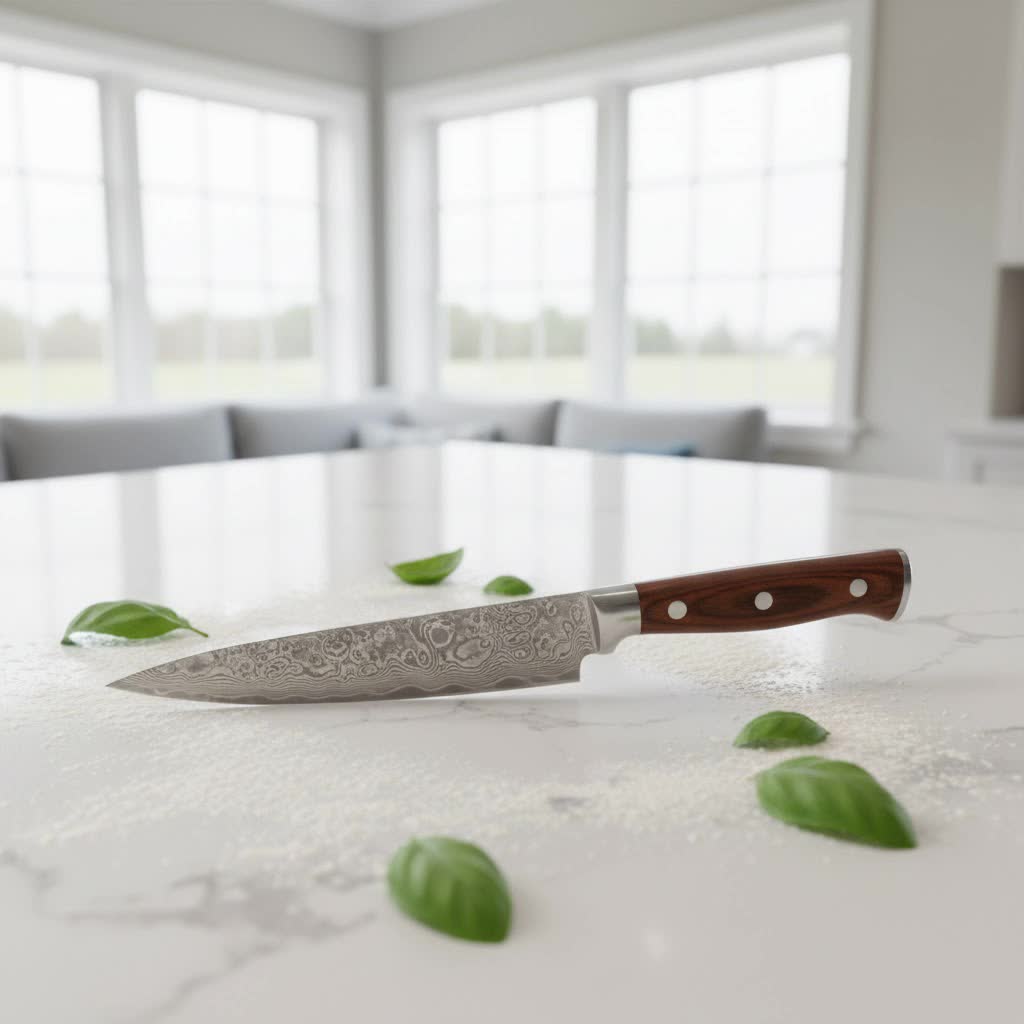
The term “most expensive cooking knife” can mean different things. On one hand, you have collector’s pieces that are more art installations than kitchen tools, boasting precious metals and intricate designs. On the other, there are high-performance blades crafted for exceptional culinary tasks, where every detail from the steel to the handle is optimized for an unparalleled cutting experience. Understanding this distinction is key to appreciating the true value behind these magnificent creations.
Beyond the Blade: The True “Most Expensive” Knives (Collector’s Items)
When we talk about the absolute “most expensive” knives, we often step outside the realm of practical kitchen use and into the world of bespoke art and luxury collectibles. Take, for instance, “The Gem Of The Orient” by American custom knife-maker Buster Warenski, which commanded a staggering $2.1 million. This isn’t a knife you’d find chopping vegetables on a Tuesday night; it’s a masterpiece adorned with 153 emeralds and 9 diamonds, taking a full decade to complete. Its value lies not in its slicing ability, but in its artistic rarity and the sheer opulence of its materials and labor.
Another noteworthy mention in this ultra-luxury category is the Nesmuk Jahrhundert Messer, a German creation featuring a blade of 640 layers of Damascus steel and a cutting edge of fine carbon, priced close to $100,000. While it possesses exceptional cutting properties, its price also reflects its exclusivity, limited production, and the intricate, high-end materials used in its construction. These knives are often acquired by collectors or luxury connoisseurs who appreciate them as functional art pieces rather than daily workhorses.
The Pinnacle of Performance: High-End Chef’s Knives Worth Their Price
For those who seek the ultimate in kitchen performance, the focus shifts from pure luxury to a blend of superior materials, masterful craftsmanship, and exceptional functionality. These are the most expensive cooking knife options that professional chefs and serious home cooks consider for their cutting prowess and durability.
What Elevates a Chef’s Knife to the Elite Tier?
|
Our Picks for the Best Knife Set in 2026
As an Amazon Associate I earn from qualifying purchases.
|
||
| Num | Product | Action |
|---|---|---|
| 1 | WXCOO Hand Forged 3-Piece Knife Set High Carbon SteelKitchen Knives Meat Boning Cleaver Cheese Knife Professional Butcher Hunting Fish Fruit Viking Knife with Sheath for Hiking, Camping, Fishing, BBQ |

|
| 2 | Astercook 15 Piece Knife Set with Sharpener Block - German Stainless Steel, Dishwasher Safe Kitchen Knives with Built-In Sharpener, Black |
|
| 3 | Knife Sets for Kitchen with Block imarku G14 Japanese Knife Set Stainless Steel Kitchen 14pcs, Built-in Sharpener, Sharp Knives with Non-slip Ergonomic Handle - Dishwasher Safe, Home Essential Gifts |
|
| 4 | Laguiole Steak Knives Set of 6 - Premium Food-Grade Stainless Steel Micro-Tooth Serrated Knives for Precision Cutting - Dishwasher Safe Kitchen Utensils Set for Dinner or Gifting by Classic Cuisine |
|
| 5 | HOSHANHO 16-Piece Knife Set, Japanese High Carbon Stainless Steel Kitchen Knife Set, Ultra Sharp Chef Knife Block Set with Sharpener |
|
| 6 | Amazon Basics 14-Piece High Carbon Stainless Steel Kitchen Knife Set with Full Tang Construction, Ergonomic Handles, Sharpener and Pinewood Block, Black |
|
| 7 | HENCKELS Statement Premium Quality 15-Piece Set with Block, Natural, Razor-Sharp, German Engineered Informed by 100+ Years of Mastery, Lightweight and Strong, Dishwasher Safe |
|
| 8 | Knife Set, Brewin Kitchen Knife Set, Knives Set for Kitchen, Universal Knife Block, Utility Knife Block Set, New Home Essentials, Apartment Essentials, Dishwasher Safe |
|
| 9 | CAROTE 14 Pieces Knife Set with Block, Forged, High Carbon Stainless Steel Sharp Blade Block Knife Set, Dishwasher Safe Cutlery, Cream |
|
| 10 | Astercook Knife Set, 13 Pieces Kitchen Knives Set with Healthy Anti-Rust Coating, Dishwasher Safe, Stainless Steel Chef Knife Sets with 6 Blade Guards, Perfect Holiday Gifts for Kitchen |
|
Several core elements contribute to the elevated price of a truly high-end chef’s knife, distinguishing it from mass-produced alternatives.
Exquisite Materials
The foundation of any great knife is its steel. High-end cooking knives frequently feature premium high-carbon steels like Shirogami (White Steel) and Aogami (Blue Steel) from Japan, renowned for their incredible sharpness and ability to hold a fine edge. Modern alternatives like SG2/R2, ZDP-189, and HAP40 offer exceptional durability and edge retention, appealing to those who prioritize performance and longevity. Damascus steel, characterized by its distinctive wavy pattern, is not only beautiful but often indicates multiple layers of different steels folded together, enhancing both strength and flexibility. Handles are equally important, often crafted from exotic and durable materials such as ironwood, stabilized wood, or even rare composite materials, offering superior grip, balance, and aesthetic appeal.
Master Craftsmanship
Mass production simply cannot replicate the precision and soul infused by a master craftsman. Many of the most expensive cooking knife examples are hand-forged, a process that can take hundreds of hours. In Japan, traditional Honyaki knives, forged from a single piece of high-carbon steel and differentially hardened, are a testament to this artistry. This intricate process, often involving a mizu-honyaki (water quench), results in an incredibly hard edge and a more flexible spine, visible through a unique hamon line on the blade. The perfect balance, ergonomic handle, and razor-sharp, expertly ground edge are hallmarks of a master’s touch.
Rarity and Provenance
Limited production runs, custom orders, and knives crafted by legendary master smiths contribute significantly to their cost and desirability. When a knife is one of a handful ever made, or comes from a blacksmith with a centuries-old lineage of knife-making, its rarity naturally inflates its value. These pieces often become family heirlooms, passed down through generations, appreciated not just for their utility but for their story and heritage.
Spotlight on Premium Brands and Their Masterpieces
The world’s most expensive cooking knife brands often hail from regions with rich traditions in cutlery.
Japanese Masters: Japan is home to some of the most revered knife makers. Brands like Yoshihiro, Jikko, Shigefusa, and Satoshi Nakagawa produce blades that are considered apex examples of culinary tools. Their Honyaki Gyutos, especially those forged by legendary smiths like Yoshikazu Ikeda, can easily cost several thousand dollars. These knives are celebrated for their laser-sharp edges, exceptional balance, and the painstaking detail in their construction, making them a top choice for those seeking the ultimate cutting experience.
Western Innovators: In the Western world, master smiths like Bob Kramer have achieved legendary status. While his production lines with Zwilling make his designs more accessible, his custom, handmade pieces are exceptionally rare and highly coveted. His “Queen Bee” chef’s knife, an artistic culinary tool, fetched $65,000, showcasing the fusion of artistry and function that defines his work. German brands like Nesmuk, with their innovative designs and use of high-tech materials, also carve out a niche in the luxury market.
Is an Ultra-Expensive Cooking Knife Right for Your Kitchen?
Investing in a truly expensive cooking knife is a significant decision. For many, it’s a dream, but understanding the practical implications is crucial.
Benefits
The advantages are clear: unparalleled sharpness that makes precise cuts effortless, superior edge retention meaning less frequent sharpening, and a perfectly balanced feel that reduces fatigue during long prep sessions. There’s also the undeniable pride of ownership and the knowledge that you’re working with a tool crafted to the highest possible standards. Many consider these knives an investment, not just in their culinary journey but as potential heirlooms.
Considerations
However, these knives come with their own set of considerations. The initial cost is a major barrier. Furthermore, high-carbon steel blades, while incredibly sharp, require meticulous care to prevent rust and chipping. They aren’t suited for dishwashers and often demand specialized sharpening techniques, sometimes requiring professional services. The extreme hardness of some high-end blades can also make them more brittle, meaning they demand careful handling and shouldn’t be used for heavy-duty tasks like cutting through bones.
Caring for Your Investment: Maintaining a High-End Knife
Owning the most expensive cooking knife means committing to proper care to preserve its performance and beauty for decades.
- Hand Wash Only: Always wash your knife by hand immediately after use with mild soap and warm water. Avoid abrasive scrubbers.
- Immediate Drying: Crucially, dry the blade thoroughly with a soft cloth to prevent rust, especially with high-carbon steel.
- Proper Storage: Store your knife in a knife block, a magnetic strip, a blade guard, or its original saya (sheath) to protect the edge and prevent accidents.
- Sharpening Expertise: Learn to use a whetstone or invest in professional sharpening services. High-end blades require specific angles and techniques to maintain their edge without damage. Never use pull-through sharpeners.
- Cutting Surfaces: Always use a wooden or soft plastic cutting board. Avoid glass, stone, or ceramic surfaces, as these will dull or chip the blade.
Frequently Asked Questions
Q: What’s the actual most expensive cooking knife I can buy and use?
A: While collector’s pieces can reach millions, the most expensive functional cooking knives typically range from $1,000 to $5,000, often Japanese Honyaki or custom pieces by master smiths. Some Bob Kramer custom chef knives have sold for tens of thousands of dollars.
Q: Are expensive knives worth it for a home cook?
A: For many home cooks, a mid-range quality knife might suffice. However, for enthusiasts who value superior performance, comfort, and the craftsmanship of a high-end tool, an expensive knife can be a worthwhile investment that enhances the cooking experience and lasts a lifetime.
Q: How do I tell if a knife is genuinely high quality?
A: Look for premium steel types (e.g., SG2, Aogami, Shirogami), full tang construction (where the blade steel extends through the entire handle), meticulous fit and finish, a perfectly ground edge, and balanced weight. Research the brand and the specific craftsman.
Q: What’s Honyaki steel, and why does it cost so much?
A: Honyaki refers to a traditional Japanese forging method where a single piece of high-carbon steel is differentially heat-treated (hardened) to create an extremely hard edge and a tougher, more flexible spine. This complex process requires immense skill and precision, making Honyaki knives incredibly sharp, durable, and expensive.
Q: How often should I sharpen an expensive knife?
A: The frequency depends on use. With proper care and a good cutting technique, a high-end knife with excellent edge retention might only need touch-ups with a honing rod or leather strop regularly, and a full sharpening on a whetstone once every few months to a year.
The Ultimate Edge: Choosing Your Most Expensive Cooking Knife
The journey to finding the most expensive cooking knife, whether it’s a multi-million dollar art piece or a several-thousand-dollar culinary marvel, is a testament to the diverse passions within the knife community. It’s a world where steel meets artistry, where centuries-old traditions fuse with modern innovation. While the price tags can be intimidating, they often reflect unparalleled craftsmanship, the use of rare and exquisite materials, and a level of performance that can truly transform the cooking experience. For those who appreciate the finer things in life, particularly in the heart of their home, choosing a high-end knife isn’t just about spending money; it’s about investing in a legacy, a tool that brings joy and precision to every cut, solidifying its place as a cherished possession in any kitchen.
