Every home chef knows that a truly functional kitchen isn’t just about grand appliances; it’s often the smaller, specialized tools that make all the difference. Among these unsung heroes, the paring knife stands out as an indispensable companion for countless daily culinary tasks. And when it comes to trusted kitchenware brands, Pampered Chef frequently enters the conversation. But how does the Pampered Chef Paring Knife truly perform in the hustle and bustle of a home kitchen? Let’s delve deep into this compact cutter, exploring its design, utility, and what makes it a noteworthy consideration for your collection.
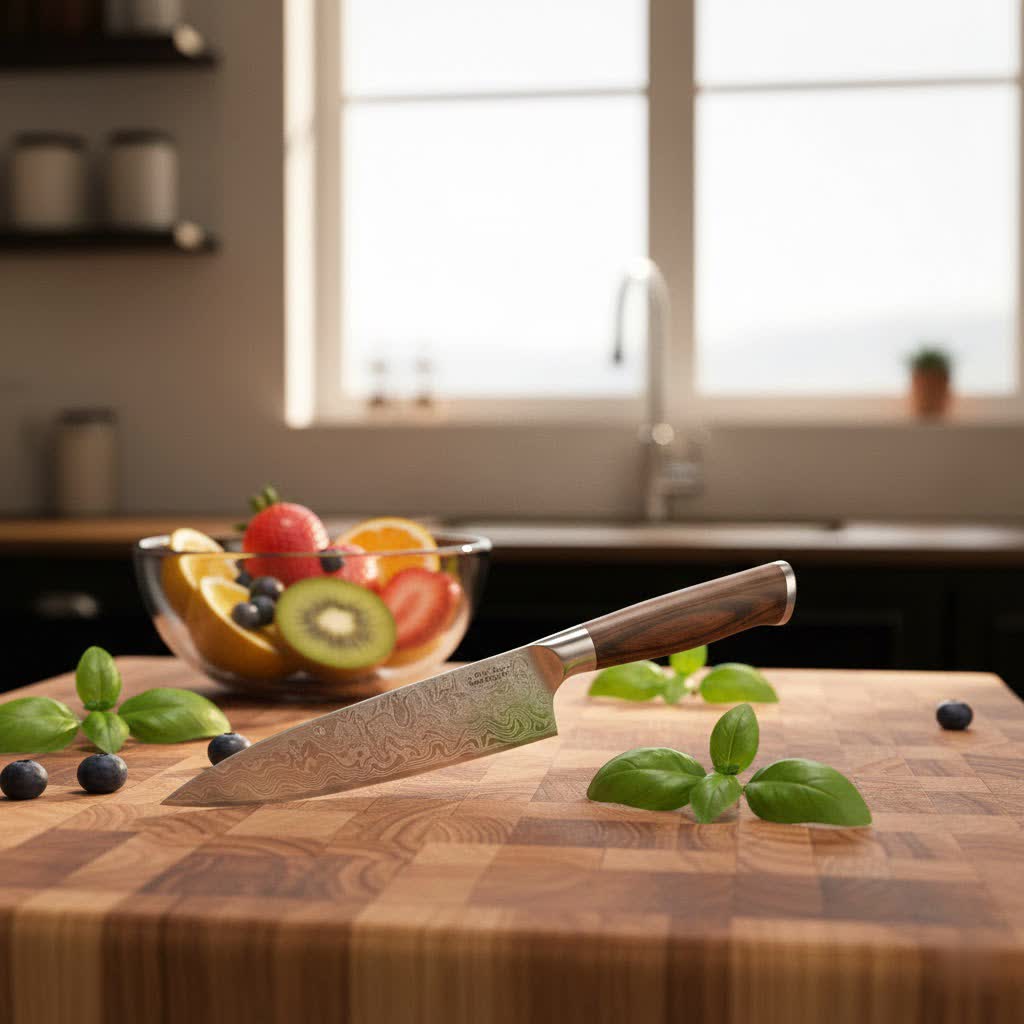
The Humble Hero: What is a Paring Knife?
Before we zoom in on the Pampered Chef paring knife, let’s clarify its role. A paring knife is a small, short-bladed knife, typically ranging from 2 to 4 inches in length. Its size and sharp, pointed tip make it ideal for intricate, controlled work where a larger chef’s knife would be unwieldy. Think peeling fruits and vegetables, deveining shrimp, trimming fat, mincing garlic or herbs, or performing delicate garnishes. It’s the knife you reach for when precision is paramount, making it a cornerstone of efficient and safe food preparation.
Unpacking the Pampered Chef Paring Knife
Pampered Chef offers its “Kitchen Paring Knife Set” (Item #100035), a popular choice among its product lines. This set typically includes three paring knives, each boasting a 2¾-inch stainless steel blade and an overall length of 6½ inches. Designed for comfort and utility, they feature plastic handles that provide a safe and secure grip, and they often come in vibrant colors like green, orange, and blue, adding a cheerful touch to your kitchen tools. They are marketed as perfect for cutting, slicing, and paring small foods, with the added convenience of being dishwasher-safe and backed by a five-year guarantee for non-commercial use. This portability and ease of cleaning make them suitable for use at home, tucked into a lunch bag, or taken on the go for picnics or camping.
However, the journey of the Pampered Chef paring knife hasn’t been without its twists. Many long-time enthusiasts fondly remember the brand’s earlier “Quikut” paring knives, often lauded for their exceptional sharpness and incredibly thin blades that allowed for precise, effortless cuts. The transition to the current model has sparked a lively discussion among users. While the newer knives still receive positive feedback for their handy size and general utility, some seasoned cooks have expressed a preference for the “Quikut” series, noting that the older blades seemed to retain their edge longer and offered a different feel. It’s a classic example of how even small changes in a beloved kitchen tool can significantly impact user experience.
Why a Quality Paring Knife Matters
Investing in a quality paring knife, like a well-regarded Pampered Chef paring knife, offers several benefits that elevate your cooking experience:
- Precision and Control: Its small size allows for detailed work that larger knives simply can’t achieve, enhancing both the safety and accuracy of your cuts. No more struggling to peel a potato with an oversized blade!
- Versatility: Beyond just peeling, a good paring knife excels at deseeding chilies, creating decorative garnishes, coring apples, and mincing small ingredients with ease. It’s a miniature powerhouse.
- Efficiency: Having the right tool for the job saves time and reduces frustration during meal prep. Quick, clean cuts mean less waste and a smoother workflow.
- Safety: Counterintuitively, a sharp knife is far safer than a dull one. A sharp blade glides through food, requiring less force and reducing the chance of slips and accidents.
Choosing Your Perfect Paring Companion
When selecting any paring knife, including a Pampered Chef paring knife, consider these factors:
- Blade Material and Edge: Stainless steel is a popular choice for its rust resistance and ease of maintenance. The Pampered Chef paring knife typically features a plain edge, which is excellent for clean, smooth cuts.
- Handle Comfort and Grip: Since paring knives are used for detailed tasks, an ergonomic handle that fits comfortably and securely in your hand is crucial for preventing fatigue and ensuring control.
- Durability and Warranty: A good warranty, like Pampered Chef’s five-year guarantee, offers peace of mind regarding the knife’s longevity and the company’s commitment to quality.
- Considering Your Needs: If you need a versatile, portable knife for everyday peeling and trimming, a set like the Pampered Chef’s can be an excellent fit for its convenience and value.
Keeping Your Pampered Chef Paring Knife Razor Sharp
Even the best knives will eventually dull with use. Maintaining the sharpness of your Pampered Chef paring knife is key to its performance and safety.
- Regular Honing: Many home cooks confuse honing with sharpening. Honing realigns the microscopic edge of the blade, which can bend out of shape with regular use. A honing steel or Pampered Chef’s own honing tool (if applicable to your specific knife type) should be used frequently, even before each use, to keep the edge crisp.
- Sharpening Methods: When honing is no longer enough, sharpening is needed to remove metal and create a new edge.
- Pampered Chef Multi-Blade Sharpener: For Pampered Chef’s coated knives, their Multi-Blade Sharpener (Item 1135) offers a straightforward solution with coarse and fine slots. Insert the blade into the coarse slot and pull towards you 3-5 times for very dull knives, then repeat in the fine slot for honing and polishing.
- Whetstones: For those who prefer traditional methods, whetstones offer superior control. A typical paring knife benefits from a sharpening angle between 15-20 degrees per side. Start with a coarser grit stone (e.g., 1000) to establish the edge, then move to a finer grit (e.g., 3000-6000) for a polished, razor-sharp finish.
- Professional Sharpening: For premium knives or when home sharpening feels daunting, professional sharpening every few years can restore the blade to its original glory.
- What to Avoid: Steer clear of sharpening serrated knives with standard sharpeners, as they require specialized tools designed for their unique wavy edges.
Care and Maintenance for Longevity
Proper care extends the life and performance of your Pampered Chef paring knife:
- Cleaning: While the Pampered Chef paring knives are dishwasher-safe, handwashing with warm, soapy water and drying immediately is generally recommended for all knives. This prevents potential dulling from jostling in the dishwasher and avoids exposure to harsh detergents.
- Storage: Protect the blade and yourself by storing your paring knife safely. Options include a knife block, magnetic strip, or individual blade covers/sheaths, especially if you’re taking it on the go.
- Avoiding Damage: Never use your paring knife on hard surfaces like ceramic, glass, or stone countertops, as this can dull or chip the blade. Similarly, avoid using it to pry open cans or twist items, which can damage the delicate tip.
Expert Insight: The Chef’s Perspective
“For home cooks, a reliable paring knife like the Pampered Chef offers unmatched agility for everyday tasks, turning mundane prep into an enjoyable art,” remarks Chef Isabella Rossi, a seasoned culinary instructor. “Its compact design is a silent workhorse, essential for those delicate touches that make a dish truly sing, from segmenting citrus to precise garlic mincing.”
Frequently Asked Questions (FAQ)
Q: Are Pampered Chef paring knives dishwasher safe?
|
Our Picks for the Best Knife Set in 2026
As an Amazon Associate I earn from qualifying purchases.
|
||
| Num | Product | Action |
|---|---|---|
| 1 | Laguiole Steak Knives Set of 6 - Premium Food-Grade Stainless Steel Micro-Tooth Serrated Knives for Precision Cutting - Dishwasher Safe Kitchen Utensils Set for Dinner or Gifting by Classic Cuisine |

|
| 2 | Amazon Basics 14-Piece High Carbon Stainless Steel Kitchen Knife Set with Full Tang Construction, Ergonomic Handles, Sharpener and Pinewood Block, Black |
|
| 3 | WXCOO Hand Forged 3-Piece Knife Set High Carbon SteelKitchen Knives Meat Boning Cleaver Cheese Knife Professional Butcher Hunting Fish Fruit Viking Knife with Sheath for Hiking, Camping, Fishing, BBQ |
|
| 4 | CAROTE 14 Pieces Knife Set with Block, Forged, High Carbon Stainless Steel Sharp Blade Block Knife Set, Dishwasher Safe Cutlery, Cream |
|
| 5 | HOSHANHO 16-Piece Knife Set, Japanese High Carbon Stainless Steel Kitchen Knife Set, Ultra Sharp Chef Knife Block Set with Sharpener |
|
| 6 | Astercook Knife Set, 13 Pieces Kitchen Knives Set with Healthy Anti-Rust Coating, Dishwasher Safe, Stainless Steel Chef Knife Sets with 6 Blade Guards, Perfect Holiday Gifts for Kitchen |
|
| 7 | Knife Sets for Kitchen with Block imarku G14 Japanese Knife Set Stainless Steel Kitchen 14pcs, Built-in Sharpener, Sharp Knives with Non-slip Ergonomic Handle - Dishwasher Safe, Home Essential Gifts |
|
| 8 | Knife Set, Brewin Kitchen Knife Set, Knives Set for Kitchen, Universal Knife Block, Utility Knife Block Set, New Home Essentials, Apartment Essentials, Dishwasher Safe |
|
| 9 | HENCKELS Statement Premium Quality 15-Piece Set with Block, Natural, Razor-Sharp, German Engineered Informed by 100+ Years of Mastery, Lightweight and Strong, Dishwasher Safe |
|
| 10 | Astercook 15 Piece Knife Set with Sharpener Block - German Stainless Steel, Dishwasher Safe Kitchen Knives with Built-In Sharpener, Black |
|
A: Yes, the current Pampered Chef Kitchen Paring Knife Set (Item #100035) is designed to be dishwasher-safe, offering convenient cleanup.
Q: What is the blade length of a Pampered Chef paring knife?
A: The Pampered Chef Kitchen Paring Knife features a 2¾-inch (approximately 7 cm) blade, ideal for small and intricate cutting tasks.
Q: Can I sharpen my Pampered Chef paring knife at home?
A: Absolutely! You can use a Pampered Chef Multi-Blade Sharpener or traditional whetstones to keep your Pampered Chef paring knife sharp at home.
Q: What is the difference between the Pampered Chef “Quikut” and new paring knives?
A: The “Quikut” paring knives were an older model, highly regarded by many for their exceptionally thin and sharp blades. The newer Kitchen Paring Knife Set (Item #100035) is the current offering, with some users noting differences in sharpness retention compared to the discontinued “Quikut” knives.
Q: How often should I sharpen my Pampered Chef paring knife?
A: While regular honing (realigning the edge) can be done frequently, actual sharpening (removing material) depends on usage. For home cooks, sharpening every few months to once a year is a good general guideline, or whenever you notice it struggling to cut cleanly.
Q: What tasks is a Pampered Chef paring knife best suited for?
A: The Pampered Chef paring knife is best suited for precision tasks such as peeling fruits and vegetables, trimming fat, deveining shrimp, mincing small ingredients, and creating garnishes.
Conclusion
The Pampered Chef paring knife, particularly the Kitchen Paring Knife Set, remains a practical and accessible tool for countless home cooks. Its compact size, comfortable grip, and ease of maintenance make it a valuable addition for everyday peeling, trimming, and intricate cuts. While opinions may vary regarding its performance compared to past iterations, understanding its features and committing to proper care and sharpening will ensure this little workhorse serves you well. Ultimately, choosing the right paring knife, including the Pampered Chef paring knife, means making an informed decision that aligns with your kitchen needs and culinary aspirations, ensuring every slice and dice is a step toward a more enjoyable cooking experience.
