Ever wondered why some chef knives feel like an extension of your hand, while others just… don’t? The secret often lies in where they’re made. From the meticulous craftsmanship of Japanese blades to the robust utility of German steel and the innovative spirit of American artisans, the origin of a chef knife tells a story of culinary philosophy, material science, and centuries of tradition. Understanding these distinctions isn’t just for professional chefs; it’s for anyone who values precision, durability, and a truly enjoyable cooking experience in their own kitchen.
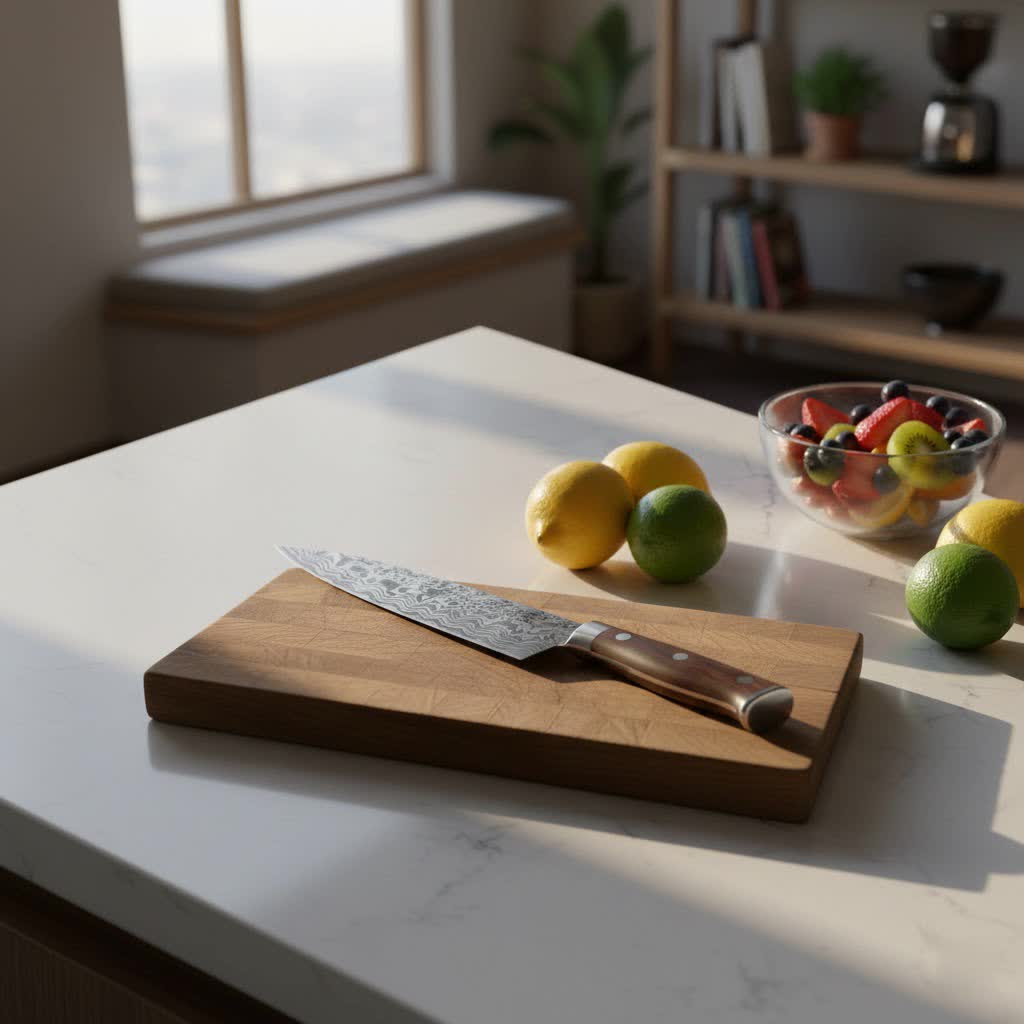
When you’re searching for a new chef knife, the phrase “Made In Chef Knife” often brings up a world of choices, each promising to elevate your cooking. But what do these origins actually mean for your daily dicing and slicing? Let’s peel back the layers and explore the unique characteristics that define chef knives from different parts of the globe.
Decoding the Craft: Japanese vs. German Chef Knives
The most prominent rivalry in the world of chef knives is arguably between Japanese and German styles. While both produce exceptionally high-quality tools, their approaches are as distinct as their culinary heritage.
The Precision of Japanese-Made Chef Knives
Japanese knives trace their lineage back to the art of samurai sword-making, a heritage reflected in their focus on precision, sharpness, and artistry. These blades are often tools of finesse, designed for delicate tasks like preparing sushi or thinly slicing vegetables.
- Steel & Hardness: Typically made from high-carbon steel, Japanese knives boast a higher Rockwell Hardness (60–62 HRC or higher). This harder steel allows for an incredibly sharp edge that retains its keenness for a longer time. Common premium steels include VG-10, Aogami, Shirogami, SG2, or R2. However, this hardness also makes them more brittle and prone to chipping if misused or if used on hard materials like bones or frozen foods.
- Blade Shape & Edge: Japanese chef knives, like the Gyuto (the Japanese equivalent of a chef’s knife) and Santoku, generally feature a thinner spine and a flatter blade profile. Their edges are often ground to a very acute angle (10–15° per side), resulting in an extremely sharp cutting edge ideal for push-cutting and fine slicing. Some traditional Japanese knives even have a single bevel, optimized for specific tasks and right-handed use, though many modern designs, including the Gyuto, are double-beveled for broader appeal.
- Weight & Balance: You’ll find Japanese knives are usually lighter and more agile, with a balance point often shifted slightly towards the blade. This design minimizes fatigue during long prep sessions and offers superior control for intricate cuts.
- Handles: Traditional Japanese handles (wa-handles) are typically made of light wood, in round, octagonal, or D-shapes, often with a hidden tang that tapers inside the handle. Modern Japanese knives might also feature Western-influenced handles with bolsters.
- Maintenance: Due to their harder, more brittle steel, Japanese knives require careful maintenance. They should be hand-washed and dried immediately after use and sharpened with a whetstone. Honing rods are generally not recommended for realignment, as ceramic rods or specific Japanese sharpening techniques are preferred.
|
Our Picks for the Best Knife Set in 2026
As an Amazon Associate I earn from qualifying purchases.
|
||
| Num | Product | Action |
|---|---|---|
| 1 | Knife Sets for Kitchen with Block imarku G14 Japanese Knife Set Stainless Steel Kitchen 14pcs, Built-in Sharpener, Sharp Knives with Non-slip Ergonomic Handle - Dishwasher Safe, Home Essential Gifts |

|
| 2 | HOSHANHO 16-Piece Knife Set, Japanese High Carbon Stainless Steel Kitchen Knife Set, Ultra Sharp Chef Knife Block Set with Sharpener |
|
| 3 | Astercook Knife Set, 13 Pieces Kitchen Knives Set with Healthy Anti-Rust Coating, Dishwasher Safe, Stainless Steel Chef Knife Sets with 6 Blade Guards, Perfect Holiday Gifts for Kitchen |
|
| 4 | Astercook 15 Piece Knife Set with Sharpener Block - German Stainless Steel, Dishwasher Safe Kitchen Knives with Built-In Sharpener, Black |
|
| 5 | Amazon Basics 14-Piece High Carbon Stainless Steel Kitchen Knife Set with Full Tang Construction, Ergonomic Handles, Sharpener and Pinewood Block, Black |
|
| 6 | WXCOO Hand Forged 3-Piece Knife Set High Carbon SteelKitchen Knives Meat Boning Cleaver Cheese Knife Professional Butcher Hunting Fish Fruit Viking Knife with Sheath for Hiking, Camping, Fishing, BBQ |
|
| 7 | Knife Set, Brewin Kitchen Knife Set, Knives Set for Kitchen, Universal Knife Block, Utility Knife Block Set, New Home Essentials, Apartment Essentials, Dishwasher Safe |
|
| 8 | Laguiole Steak Knives Set of 6 - Premium Food-Grade Stainless Steel Micro-Tooth Serrated Knives for Precision Cutting - Dishwasher Safe Kitchen Utensils Set for Dinner or Gifting by Classic Cuisine |
|
| 9 | CAROTE 14 Pieces Knife Set with Block, Forged, High Carbon Stainless Steel Sharp Blade Block Knife Set, Dishwasher Safe Cutlery, Cream |
|
| 10 | HENCKELS Statement Premium Quality 15-Piece Set with Block, Natural, Razor-Sharp, German Engineered Informed by 100+ Years of Mastery, Lightweight and Strong, Dishwasher Safe |
|
Chef Hiroshi Kagawa, a renowned culinary instructor, often remarks, “A Japanese made chef knife is like a precision instrument; it demands respect and care, but in return, it grants you unparalleled control and the ability to execute the most delicate cuts with grace.”
The Robustness of German-Made Chef Knives
German knives, originating from storied cities like Solingen (“City of Blades”), were historically designed as versatile, multi-purpose workhorses for European kitchens. They prioritize durability, strength, and the ability to handle a wide range of tasks, from heavy chopping to breaking down poultry.
- Steel & Hardness: German chef knives typically use softer stainless steel, often around 56–58 HRC. This softer steel makes them less prone to chipping and more forgiving in a busy kitchen environment. However, it also means they tend to dull faster and require more frequent honing and sharpening. X50CrMoV15 is a common alloy used.
- Blade Shape & Edge: Characterized by a thicker spine and a distinct curved belly, German blades are optimized for a “rocking” chop motion. Their edges are typically sharpened at a wider angle (15–20° per side), providing a sturdy, durable edge. They almost always feature a double-beveled edge, making them suitable for both left and right-handed users.
- Weight & Balance: German knives are generally heavier than their Japanese counterparts, with the weight distributed more evenly between the handle and blade, or slightly forward-heavy. This added heft can provide power and stability, especially when tackling tough ingredients.
- Handles: Full tang construction is a hallmark of German knives, where the steel extends through the entire length of the handle, usually secured with rivets. They often feature a full bolster, which provides a protective finger guard and adds to the knife’s balance and durability, though modern designs may incorporate a semi-bolster for easier sharpening. Handles are typically ergonomic and made from durable materials like plastic or stabilized wood.
- Maintenance: While German knives are more forgiving of accidental bumps, they still benefit from proper care. Regular honing with a steel rod is crucial to realign the softer edge, and sharpening should be done when the edge no longer performs efficiently.
As Chef Julian Beaumont, known for his hearty bistro cuisine, puts it, “A German made chef knife is your loyal workhorse. It’s built to take a beating and keep on going, making it indispensable for daily kitchen challenges.”
Side-by-Side: Japanese vs. German Chef Knife
| Feature | Japanese Chef Knife | German Chef Knife |
|---|---|---|
| Blade Hardness | 60–62+ HRC | 56–58 HRC |
| Blade Shape | Thin spine, flatter belly | Thick spine, curved belly |
| Primary Steel | High-carbon/powdered (VG-10, SG2) | Stainless (X50CrMoV15) |
| Bolster & Tang | Partial tang, slim bolster (often hidden) | Full tang, full bolster (often riveted) |
| Edge Angle | 10–15° per side | 15–20° per side |
| Weight | Lighter, agile | Heavier, stable |
| Cutting Motion | Push-cutting, slicing | Rocking, chopping |
| Precision | Excellent | Good |
| Versatility | Moderate (task-specific focus) | Excellent (all-purpose workhorse) |
| Maintenance | Whetstone sharpening, delicate handling | Honing rod, easier to sharpen, more forgiving |
The American-Made Chef Knife: A Blend of Traditions
While Germany and Japan have long dominated the global chef knife market, American-made chef knives are carving out a significant niche, often blending the best attributes of both Eastern and Western traditions while incorporating innovative materials and designs.
American manufacturers frequently utilize advanced steel alloys, such as CPM S35VN, CPM S45VN, or CPM MagnaCut, which offer superior edge retention, toughness, and corrosion resistance compared to traditional steels. Brands like Steelport, for instance, are entirely American-made, balancing a fairly thin blade for precision with enough weight to handle tougher ingredients, effectively bridging the gap between Japanese and German styles.
Notable American-made chef knife brands include:
- Cutco: Known for unique Wedge-Lock handles and Double-D (serrated) or straight edges, backed by a “Forever Guarantee” and free sharpening services. Cutco knives have been made in Olean, New York, since 1949.
- Kramer Knives: Master Bladesmith Bob Kramer handcrafts these highly sought-after knives in Bellingham, Washington, often using Damascus steel. They are renowned for their artistry and exceptional performance, though they come with a high price tag.
- Lamson: One of America’s oldest cutlery manufacturers, founded in 1837 in Massachusetts. Lamson uses high-carbon stainless steel blades, some imported from Solingen, Germany, and offers various handle designs and a lifetime warranty with free sharpening.
- Dexter-Russell: Operating since 1818 in Southbridge, Massachusetts, Dexter-Russell focuses on affordable, NSF-certified knives primarily for the foodservice industry, known for their durability and comfortable non-slip handles.
- New West KnifeWorks: Based in Wyoming and Idaho, New West KnifeWorks produces knives from CPM S35VN steel, valued for excellent edge retention and toughness, with distinctive G10 or Desert Ironwood handles.
- Rada Cutlery: A family-owned business in Iowa since 1948, Rada offers high-quality, affordable knives made from T420 high-carbon stainless steel. Their softer steel is easier to sharpen and less prone to chipping.
- Warther Cutlery: Another multi-generational family business in Dover, Ohio, since 1902. Warther knives use premium steels like CPM S45VN and CPM MagnaCut and feature a hand-ground convex edge for lasting sharpness.
These brands demonstrate a commitment to quality and often offer unique design elements and materials, proving that a “made in chef knife” from the USA can stand proudly alongside international competitors.
Factors Beyond Origin: What Else to Consider
While the origin offers a strong indication of a knife’s inherent philosophy, several universal factors contribute to an excellent made in chef knife:
- Material: Beyond the country of origin, the specific type of steel (e.g., carbon steel for extreme sharpness, stainless steel for corrosion resistance, or various alloys for a balance of properties) significantly impacts performance and maintenance.
- Balance and Weight: A well-balanced knife feels comfortable and effortless in your hand, reducing fatigue during extended use. Your personal preference for a lighter, agile blade or a heavier, powerful one will guide your choice.
- Handle Design: The handle material and shape are crucial for comfort, grip, and control. Options range from traditional wood and Pakkawood (resin-impregnated wood) to modern synthetic materials like G10 or thermoplastic elastomers. Look for a handle that feels secure, even when wet, and has no uncomfortable gaps.
- Blade Geometry: The grind and thickness of the blade affect how easily it slices through food. A thinner blade generally offers less resistance but can be more delicate.
- Full vs. Partial Tang: A full tang knife, where the blade’s steel extends through the entire handle, typically offers better balance and durability. Partial tang knives can be lighter but may not be as robust over time.
Caring for Your Made in Chef Knife
No matter where your chef knife is made, proper care is essential for its longevity and performance.
- Hand Washing: Always hand wash your knife immediately after use with warm, soapy water. Avoid dishwashers, as harsh detergents and high temperatures can damage the blade and handle.
- Immediate Drying: Dry your knife thoroughly with a soft cloth to prevent water spots, rust, and corrosion, especially for high-carbon steel blades.
- Safe Storage: Store your knives in a knife block, magnetic strip, or with blade guards to protect the edge and prevent accidental cuts.
- Regular Honing: For most knives (especially German styles), use a honing steel frequently (ideally before each use) to realign the blade’s edge and maintain sharpness between sharpening sessions.
- Sharpening: Sharpen your knife regularly with a whetstone, pull-through sharpener, or electric sharpener, or have it professionally sharpened when it no longer cuts efficiently. How often depends on usage, but a daily-used chef knife might need sharpening every one to two months.
Frequently Asked Questions
Are Japanese knives better than German knives for a home cook?
There’s no universal “better” answer; it depends on your cooking style. German knives are generally more durable, versatile, and forgiving, making them an excellent choice for beginners and everyday hearty cooking. Japanese knives excel in precision and edge retention, ideal for delicate tasks, but require more careful handling and maintenance.
Can a “made in chef knife” cut through bones?
Most chef knives, whether Japanese or German, are not designed for cutting through large bones. Japanese knives, with their harder, thinner edges, are particularly prone to chipping if used on bones. For heavy-duty tasks like breaking down poultry or dense bones, it’s best to use a specialized butcher knife or a meat cleaver to avoid damaging your chef knife.
Why are some American-made chef knives so expensive?
American-made chef knives, especially from artisan bladesmiths or smaller companies, often command higher prices due to meticulous handcrafting, the use of advanced premium steels (like CPM S35VN or MagnaCut), extensive quality control, and often a blend of traditional techniques with modern innovation. Brands like Steelport or Kramer Knives exemplify this high-end market.
How often should I sharpen my made in chef knife?
If you use your chef knife daily, you should typically sharpen it every one to two months. However, the best indicator is how the knife performs: if it starts slipping or struggling to make thin, clean slices, it’s time for a sharpen. Regular honing between sharpening sessions will help maintain the edge.
What does “Damascus steel” mean for a chef knife?
Damascus steel refers to a distinctive wavy pattern on a knife blade, created by repeatedly folding and forging layers of different metals. It’s a technique, not a specific type of steel. While beautiful, the practical benefits of modern Damascus steel are often aesthetic, showcasing craftsmanship rather than a unique performance advantage over well-made mono-steel blades.
Conclusion
The journey of a chef knife, from its origin to your cutting board, is rich with history, innovation, and distinct culinary philosophies. Whether you choose a “made in chef knife” from Germany for its robust versatility, Japan for its exquisite precision, or the USA for its innovative blend of traditions, understanding these nuances empowers you to make an informed decision. Ultimately, the best chef knife is the one that feels right in your hand, suits your cooking style, and brings joy to your kitchen. Invest wisely, care for it properly, and your trusted blade will be a partner in countless delicious meals for years to come.
