Stepping into a professional kitchen, or even transforming your home cooking into a true culinary art form, starts with one fundamental truth: your knives are an extension of your hands. A professional knife set isn’t just a collection of blades; it’s an investment in precision, efficiency, and safety. It’s about having the right tool for every cut, ensuring consistency, and ultimately, elevating every dish you create. But with a dizzying array of options, how do you slice through the noise to find the Best Professional Knife Set that truly meets your demanding standards?
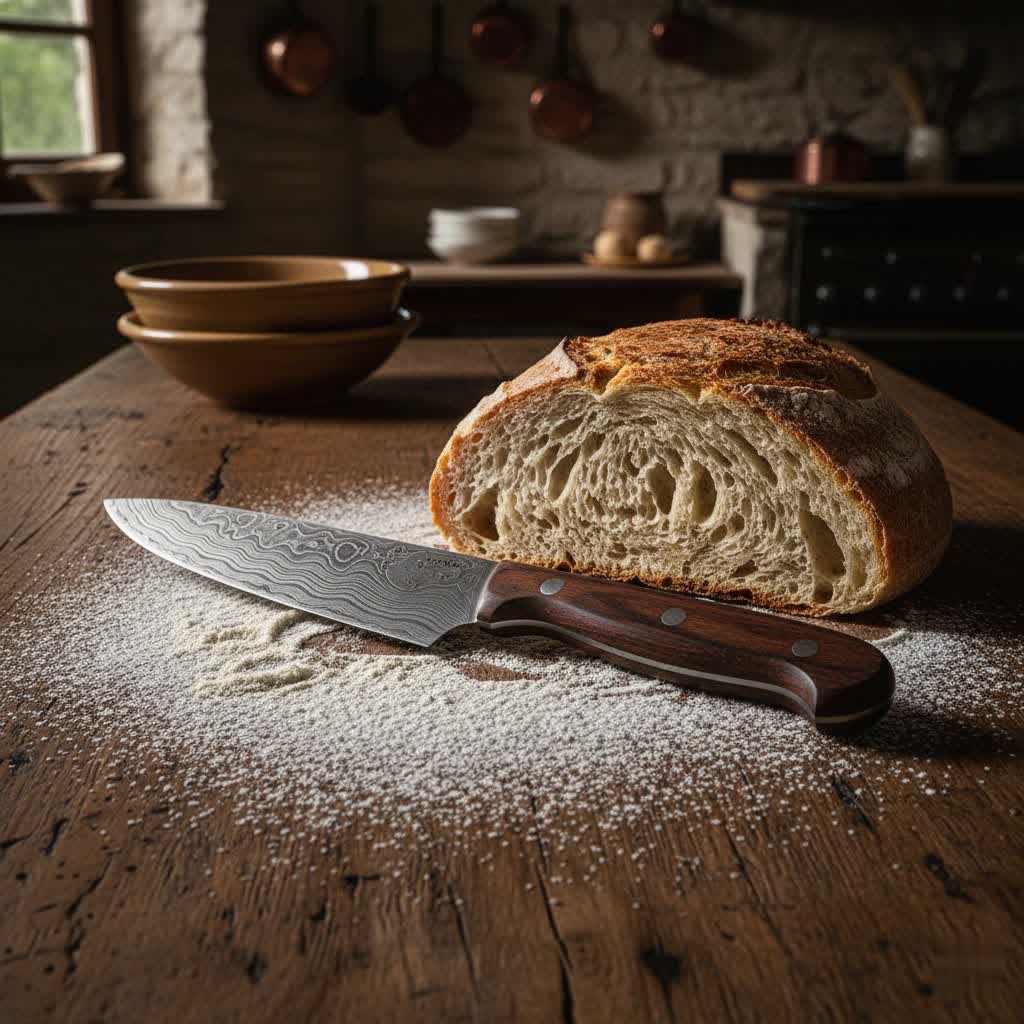
This guide dives deep into the world of high-end cutlery, separating the essential from the extraneous, and helping you understand what truly sets a professional knife set apart. We’ll explore the materials, design philosophies, and crucial maintenance practices to ensure your blades remain razor-sharp and reliable for years to come.
What Makes a Knife Set “Professional”?
Forget those sprawling 15-piece sets filled with rarely used gadgets. A professional knife set prioritizes quality over quantity, focusing on exceptional performance, durability, and ergonomic design. It’s about blades that feel balanced, maintain a wicked edge, and are built to withstand the rigors of daily intensive use.
The Heart of the Blade: Steel Types and Hardness
The soul of any professional knife lies in its steel. Different types of steel offer varying characteristics in terms of sharpness, edge retention, corrosion resistance, and ease of sharpening.
- High-Carbon Stainless Steel: This is the most common choice for professional knives, offering a good balance of hardness, edge retention, and rust resistance. German brands often use a specific alloy like X50CrMoV15, which provides robust durability and is relatively easy to sharpen.
- Japanese Steels: Often harder and capable of holding a finer, sharper edge, Japanese steels like VG-10, SG2 (Super Gold 2), or AUS-8 are highly prized. Knives made with these steels, especially those with higher Rockwell hardness (HRC), offer superior edge retention but can be more brittle and require specialized sharpening techniques, typically with whetstones. For instance, the Zwilling Kramer Euroline Stainless series boasts an impressive 63 HRC, allowing for an incredibly thin and sharp edge.
- Rockwell Hardness (HRC): This scale measures the hardness of the steel. A higher HRC (typically 58-63 for professional knives) means the blade will hold its edge longer but might be more prone to chipping if mishandled. Lower HRC (around 55-57) indicates softer steel that is easier to sharpen but requires more frequent honing.
|
Our Picks for the Best Knife Set in 2026
As an Amazon Associate I earn from qualifying purchases.
|
||
| Num | Product | Action |
|---|---|---|
| 1 | Knife Sets for Kitchen with Block imarku G14 Japanese Knife Set Stainless Steel Kitchen 14pcs, Built-in Sharpener, Sharp Knives with Non-slip Ergonomic Handle - Dishwasher Safe, Home Essential Gifts |

|
| 2 | Astercook Knife Set, 13 Pieces Kitchen Knives Set with Healthy Anti-Rust Coating, Dishwasher Safe, Stainless Steel Chef Knife Sets with 6 Blade Guards, Perfect Holiday Gifts for Kitchen |
|
| 3 | WXCOO Hand Forged 3-Piece Knife Set High Carbon SteelKitchen Knives Meat Boning Cleaver Cheese Knife Professional Butcher Hunting Fish Fruit Viking Knife with Sheath for Hiking, Camping, Fishing, BBQ |
|
| 4 | Knife Set, Brewin Kitchen Knife Set, Knives Set for Kitchen, Universal Knife Block, Utility Knife Block Set, New Home Essentials, Apartment Essentials, Dishwasher Safe |
|
| 5 | CAROTE 14 Pieces Knife Set with Block, Forged, High Carbon Stainless Steel Sharp Blade Block Knife Set, Dishwasher Safe Cutlery, Cream |
|
| 6 | Astercook 15 Piece Knife Set with Sharpener Block - German Stainless Steel, Dishwasher Safe Kitchen Knives with Built-In Sharpener, Black |
|
| 7 | Laguiole Steak Knives Set of 6 - Premium Food-Grade Stainless Steel Micro-Tooth Serrated Knives for Precision Cutting - Dishwasher Safe Kitchen Utensils Set for Dinner or Gifting by Classic Cuisine |
|
| 8 | HOSHANHO 16-Piece Knife Set, Japanese High Carbon Stainless Steel Kitchen Knife Set, Ultra Sharp Chef Knife Block Set with Sharpener |
|
| 9 | HENCKELS Statement Premium Quality 15-Piece Set with Block, Natural, Razor-Sharp, German Engineered Informed by 100+ Years of Mastery, Lightweight and Strong, Dishwasher Safe |
|
| 10 | Amazon Basics 14-Piece High Carbon Stainless Steel Kitchen Knife Set with Full Tang Construction, Ergonomic Handles, Sharpener and Pinewood Block, Black |
|
Ergonomics and Handle Design
A professional knife is an extension of the hand, and comfort is paramount, especially during long hours of prep.
- Materials: Handles come in various materials, including PakkaWood (wood resin composite), Micarta, G10 (fiberglass laminate), richlite, smoked oak, and Santoprene. Each offers different aesthetics, grip, and durability. For example, Mercer Culinary Genesis knives use Santoprene handles for a sure, comfortable grip, even with wet or greasy hands.
- Balance: A well-balanced knife feels natural in hand, reducing fatigue and improving control. Many chefs prefer a knife where the balance point is just at the bolster, allowing for effortless rock chopping.
- Bolster: The bolster is the collar between the blade and the handle. A full bolster protects the hand but can make sharpening the entire blade length difficult. A half bolster (or “open” bolster) allows for full blade sharpening and a more pinch grip, preferred by many professionals.
Construction Matters: Forged vs. Stamped
The way a knife is made significantly impacts its performance and durability.
- Forged Knives: Made from a single piece of steel heated and hammered into shape. This process creates a stronger, heavier blade with a full tang (the steel extends through the handle), offering superior balance and durability. Many high-end professional knives, like those from Wüsthof and Zwilling, are fully forged.
- Stamped Knives: Cut from a large sheet of steel and then ground and sharpened. They are lighter and generally less expensive. While good quality stamped knives exist, forged knives are typically preferred for professional environments due to their robustness and balance.
Essential Knives for a Professional Kit
You don’t need dozens of specialized knives to run a professional kitchen efficiently. A core set of 3-5 high-quality blades can tackle almost any task.
Building Your Core Collection: The 3-5 Knife Philosophy
Most chefs agree that a truly high-end knife set focuses on a few versatile, exceptional tools. “It’s far better to invest in three outstanding knives that you’ll use daily than a block full of mediocre ones that gather dust,” advises Chef Alex Nguyen, a culinary consultant for “Góc Dao Bếp Việt.”
Here are the workhorses of any professional kitchen:
- Chef’s Knife (or Gyuto): The undisputed king of the kitchen, typically 8-10 inches long. Used for chopping, slicing, dicing, and mincing. The Japanese equivalent, a Gyuto, is often thinner and lighter with a flatter profile.
- Paring Knife: A small, agile knife (3-4 inches) perfect for intricate tasks like peeling, trimming, and deveining.
- Serrated Bread Knife: Essential for slicing through crusty bread, tomatoes, and pastries without crushing them.
- Utility Knife: A versatile blade (5-6 inches) that bridges the gap between a chef’s knife and a paring knife, useful for smaller tasks where a chef’s knife feels too large.
- Santoku Knife: A Japanese-style all-purpose knife, often 5-7 inches, known for its dimpled blade (Granton edge) that helps release food easily. Great for chopping, dicing, and mincing.
Specialty knives like boning knives, slicers, or cleavers can be added as specific needs arise, but the core set will handle the vast majority of kitchen duties.
Top Contenders: A Look at the Best Professional Knife Sets
When considering the best professional knife set, you’ll encounter two dominant traditions: Japanese and German. Both offer exceptional quality, but with distinct philosophies.
Japanese Craftsmanship: Precision and Edge Retention
Japanese knife sets are revered for their incredible sharpness, often due to harder steels and thinner blade geometries, allowing for highly precise cuts.
- Suisin Inox Knife Set: Often praised for razor-thin blades that glide through ingredients effortlessly, with good edge retention and ease of sharpening. A chef-reviewed top pick, these knives are noted for their performance over flashy looks.
- Tojiro DP Damascus: Known for strong edge retention (Rockwell 60) and durability, often with a Western-style handle. They offer excellent value for entering the world of Japanese knives.
- Yoshihiro Hammered Damascus Chef Knife Set: Combines traditional Japanese craftsmanship with modern VG-10 hammered Damascus steel, offering beauty, sharpness, and improved durability with softer cladding.
- Shun Classic: A popular choice in Western markets, these knives feature a VG-MAX cutting core and a comfortable D-shaped PakkaWood handle. While some argue they are pricey, they offer a reliable 60-61 HRC edge.
- Miyabi Artisan: Often cited in “best splurge” categories, Miyabi offers exquisite Japanese craftsmanship and exceptional performance.
- Global Takashi: Famous for their unique all-steel construction and razor-sharp edges, a good option for those who prefer the consistent feel of a single-piece design.
German Engineering: Durability and Power
German knife sets are renowned for their robust construction, comfortable handles, and ability to withstand heavy use. They typically feature slightly softer steel, making them more forgiving and easier to sharpen with a honing steel.
- Zwilling Pro Series: A long-standing industry standard, known for its durable high-carbon “NO STAIN” steel (around 57 HRC) and precision-forged construction. The half-bolster design is a favorite for professional cooks, allowing full blade use.
- Wüsthof Classic Ikon: A top-tier German option, offering excellent balance, comfortable grips, and robust X50CrMoV15 high-carbon stainless steel blades (around 58 HRC). The slim block design can also save counter space.
- Zwilling J.A. Henckels Twin 1731 Series: A high-end splurge from Zwilling, featuring Cronidur 30 steel for exceptional corrosion resistance and a Rockwell of 60, offering a German knife with enhanced edge retention.
The Best of Both Worlds: Hybrid Designs
Some brands blend elements from both traditions, offering knives with Japanese steel characteristics but Western handle ergonomics, or vice-versa, providing diverse options for professionals seeking a specific feel.
Caring for Your Professional Knives: Longevity and Performance
A professional knife set is a serious investment, and proper care is crucial to maintain its performance and extend its lifespan.
Sharpening Techniques: Whetstones vs. Honing Rods vs. Self-Sharpening Blocks
- Honing Rod: Used frequently (daily or before each use) to realign a slightly dulled edge, not to sharpen it. Essential for maintaining sharpness between full sharpening sessions.
- Whetstones: The gold standard for sharpening high-quality knives, especially Japanese blades. It requires practice but allows for precise edge angles and incredibly sharp results.
- Electric Sharpeners: Can be quick and convenient but may remove more metal than necessary, shortening the knife’s life if not used carefully.
- Self-Sharpening Blocks: Some sets, like the Henckels Classic 15-Piece Self Sharpening Block Set, include slots with built-in sharpeners that hone the blade each time it’s removed or returned. These are convenient for beginners but may not achieve the same level of refinement as dedicated sharpening tools.
Proper Storage Solutions
Protecting your blades is as important as maintaining their edge.
- Knife Blocks: A classic and convenient way to store knives on the counter. Look for blocks with wide, non-abrasive slots that prevent the blades from touching each other.
- Magnetic Strips: A space-saving solution that keeps knives visible and easily accessible. Ensure the strip is strong enough to hold heavy knives securely.
- In-Drawer Organizers/Sheaths: Ideal for keeping blades safe and preventing them from knocking against other utensils if you’re short on counter space. Many Japanese knives are traditionally stored in wooden sayas (sheaths).
A Golden Rule: Never put professional knives in a dishwasher. The harsh detergents, high heat, and potential for knives to knock against other items will quickly dull the edge, damage the handle, and can lead to rust. Always hand wash immediately after use with warm, soapy water and dry thoroughly.
Expert Insights: Choosing Your Ultimate Set
When it comes to selecting the best professional knife set, personal preference plays a significant role. “The ‘best’ knife set isn’t about the highest price tag, but the set that feels most comfortable and effective in your hands,” says Chef Alex Nguyen. “Consider the type of cooking you do most, the grip you prefer, and how committed you are to maintenance. A knife that feels right will inspire confidence and elevate your craft.”
Frequently Asked Questions
What are the essential knives for a professional chef?
A professional chef primarily needs a high-quality chef’s knife (8-10 inches), a versatile paring knife (3-4 inches), and a reliable serrated bread knife. A utility knife and a Santoku knife are also highly recommended additions for most tasks.
Is it better to buy a knife set or individual knives?
For professionals and serious home cooks, buying individual, high-quality knives is often recommended over large sets. This allows you to select specific blades tailored to your needs and preferences, focusing on quality over quantity. However, a small, well-curated set from a reputable brand can also be a great starting point.
How often should professional knives be sharpened?
Professional knives should be honed regularly (daily or before each use) with a honing steel to realign the edge. Full sharpening (using a whetstone or professional service) depends on usage but typically ranges from every few weeks to every few months for heavy users, and once or twice a year for home cooks.
What’s the difference between Japanese and German knife sets?
Japanese knives often feature harder steel, thinner blades, and a sharper edge angle, leading to superior edge retention and precision. German knives typically use softer, more durable steel, thicker blades, and a wider edge angle, making them more robust and easier to maintain for heavy-duty tasks. Handle styles also differ, with Japanese often favoring octagonal and German favoring contoured resin.
Can professional knives go in the dishwasher?
Absolutely not. Professional knives should always be hand-washed immediately after use and thoroughly dried to prevent dulling, corrosion, and damage to the handle materials.
Conclusion
Choosing the best professional knife set is a personal journey that culminates in a collection of tools designed to empower your culinary aspirations. By understanding the nuances of steel, construction, ergonomics, and maintenance, you can confidently invest in blades that will not only perform flawlessly but also enhance your joy in the kitchen. Remember, it’s not about owning every knife, but about owning the right knives—those that feel like a natural extension of your skill, ready to conquer any ingredient with precision and ease. Invest wisely, care for them diligently, and your professional knife set will serve you with distinction for a lifetime of culinary adventures.
