There’s something undeniably captivating about a Damascus chef knife. More than just a tool, it’s a piece of culinary art, boasting mesmerizing wavy patterns on its blade that tell a story of ancient craftsmanship and modern innovation. If you’ve ever dreamt of gliding through ingredients with effortless precision, adding a touch of elegance to your kitchen, or simply owning a blade that performs as beautifully as it looks, then delving into the world of the Best Damascus Chef Knife is a journey worth taking. These aren’t your average kitchen knives; they’re an investment in performance, durability, and sheer aesthetic pleasure. But with so many options out there, how do you find the one that truly stands out? Let’s slice through the confusion and discover what makes these legendary blades so special and how to choose the perfect one for your culinary adventures.
What Makes a Damascus Chef Knife Stand Out?
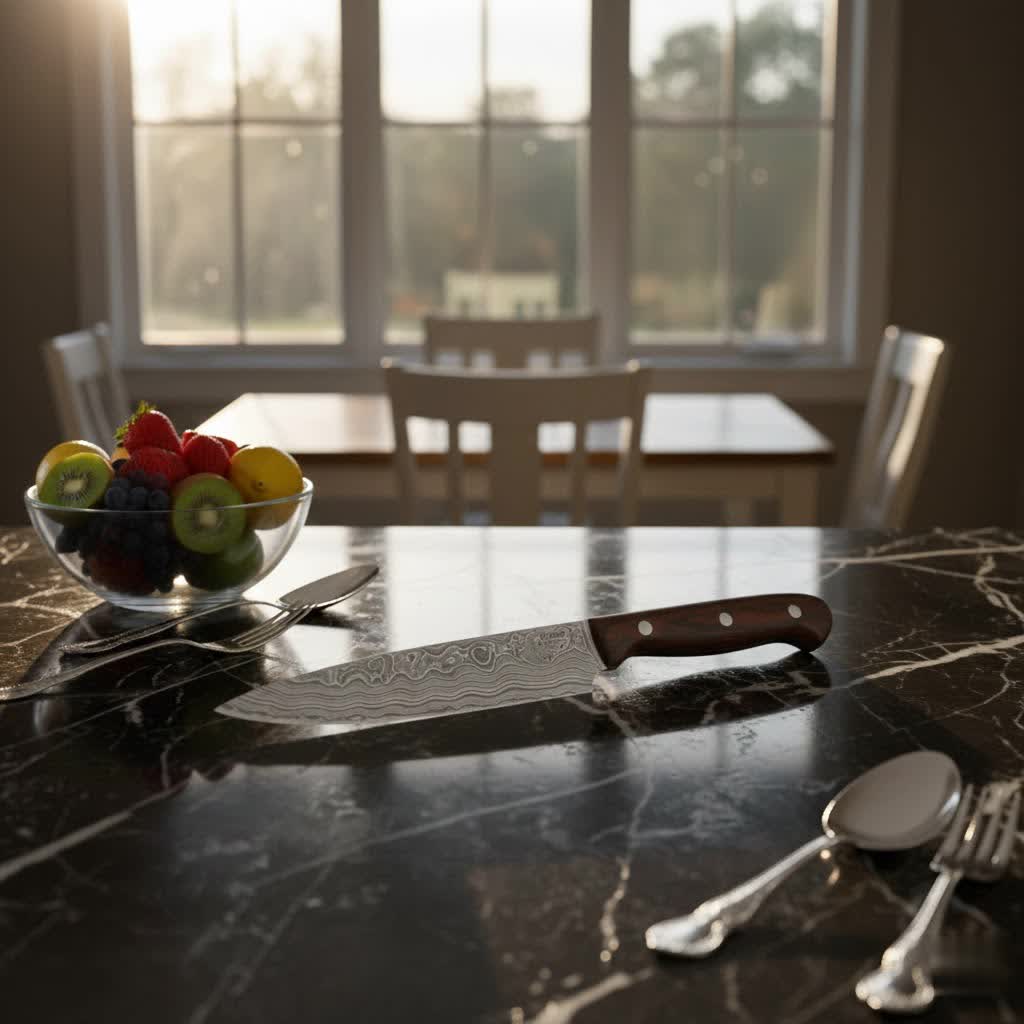
The allure of a Damascus chef knife begins with its unique construction and rich history. While the exact methods of ancient “wootz” Damascus steel have largely been lost to time, modern Damascus steel knives replicate and often surpass those legendary qualities through sophisticated layering techniques.
At its heart, a Damascus blade is forged by repeatedly folding and hammering together two or more different types of steel. This meticulous process creates the distinctive patterns – often resembling flowing water, intricate ladders, or swirling twists – that are a hallmark of these knives. But these patterns aren’t just for show. This layered construction contributes to the knife’s exceptional performance, offering a unique blend of properties. The harder steel layers provide a razor-sharp edge and superior edge retention, while the softer, more flexible layers contribute to the blade’s overall toughness and resistance to chipping. This harmonious combination results in a knife that’s not only visually stunning but also incredibly functional, making it a top contender when searching for the best Damascus chef knife.
Key Factors When Choosing Your Best Damascus Chef Knife
Selecting the best Damascus chef knife involves more than just admiring its beautiful patterns. It’s about understanding the core components that contribute to its performance and longevity. Here’s what you should consider:
The Heart of the Blade: Core Steel Quality
The true workhorse of a Damascus blade is its core steel. This is the material that forms the actual cutting edge, often clad by many layers of softer steel. High-quality Damascus chef knives typically use premium stainless or high-carbon stainless steels for the core, ensuring optimal performance.
- VG-10: A popular Japanese stainless steel, VG-10 is known for its excellent edge retention and corrosion resistance. It’s often considered a great balance of hardness and toughness.
- AUS-10: Another Japanese stainless steel, similar to VG-10, offering good hardness and wear resistance at a slightly more accessible price point.
- SG2 (or R2): A powder metallurgy steel that offers incredibly fine grain structure, leading to exceptional sharpness, edge retention, and wear resistance. Knives with SG2 cores are often considered top-tier.
- ZDP-189: A super-hard powder steel with extremely high carbon content, providing phenomenal edge retention. These knives are incredibly sharp but can be more brittle and harder to sharpen.
|
Our Picks for the Best Knife Set in 2026
As an Amazon Associate I earn from qualifying purchases.
|
||
| Num | Product | Action |
|---|---|---|
| 1 | CAROTE 14 Pieces Knife Set with Block, Forged, High Carbon Stainless Steel Sharp Blade Block Knife Set, Dishwasher Safe Cutlery, Cream |

|
| 2 | Astercook Knife Set, 13 Pieces Kitchen Knives Set with Healthy Anti-Rust Coating, Dishwasher Safe, Stainless Steel Chef Knife Sets with 6 Blade Guards, Perfect Holiday Gifts for Kitchen |
|
| 3 | Knife Sets for Kitchen with Block imarku G14 Japanese Knife Set Stainless Steel Kitchen 14pcs, Built-in Sharpener, Sharp Knives with Non-slip Ergonomic Handle - Dishwasher Safe, Home Essential Gifts |
|
| 4 | WXCOO Hand Forged 3-Piece Knife Set High Carbon SteelKitchen Knives Meat Boning Cleaver Cheese Knife Professional Butcher Hunting Fish Fruit Viking Knife with Sheath for Hiking, Camping, Fishing, BBQ |
|
| 5 | HOSHANHO 16-Piece Knife Set, Japanese High Carbon Stainless Steel Kitchen Knife Set, Ultra Sharp Chef Knife Block Set with Sharpener |
|
| 6 | Amazon Basics 14-Piece High Carbon Stainless Steel Kitchen Knife Set with Full Tang Construction, Ergonomic Handles, Sharpener and Pinewood Block, Black |
|
| 7 | Knife Set, Brewin Kitchen Knife Set, Knives Set for Kitchen, Universal Knife Block, Utility Knife Block Set, New Home Essentials, Apartment Essentials, Dishwasher Safe |
|
| 8 | Laguiole Steak Knives Set of 6 - Premium Food-Grade Stainless Steel Micro-Tooth Serrated Knives for Precision Cutting - Dishwasher Safe Kitchen Utensils Set for Dinner or Gifting by Classic Cuisine |
|
| 9 | Astercook 15 Piece Knife Set with Sharpener Block - German Stainless Steel, Dishwasher Safe Kitchen Knives with Built-In Sharpener, Black |
|
| 10 | HENCKELS Statement Premium Quality 15-Piece Set with Block, Natural, Razor-Sharp, German Engineered Informed by 100+ Years of Mastery, Lightweight and Strong, Dishwasher Safe |
|
“The core steel is like the engine of a sports car,” says culinary expert and instructor, Elias Thorne. “It dictates how well your knife will perform, how long it stays sharp, and how it handles the rigors of daily kitchen tasks. Always ask about the core steel when you’re looking for quality.”
The Art of Layers: More Than Just a Pattern
While the number of layers primarily creates the mesmerizing patterns, it also plays a role in the blade’s structural integrity. Many high-quality Damascus knives feature 33, 67, or even more layers. This layering can enhance the blade’s strength and flexibility by distributing stress across multiple planes, making the blade less prone to chipping or cracking compared to a solid, extremely hard blade.
Grip and Control: Handle Materials and Ergonomics
A knife is only as good as how it feels in your hand. The handle of your Damascus chef knife is crucial for comfort, control, and safety. Look for durable materials that offer a secure, comfortable grip, even when wet. Common handle materials include:
- Wood: Often stabilized woods like Pakkawood, ebony, or rosewood, offering natural beauty and a warm feel.
- G10: A highly durable fiberglass laminate that is impervious to moisture and temperature changes, providing a strong, slip-resistant grip.
- Micarta: Another composite material made from linen or paper impregnated with resin, known for its excellent grip, durability, and aesthetic versatility.
The handle’s shape and how it balances with the blade are also paramount. A well-balanced knife reduces fatigue and allows for precise control during extended cutting sessions.
Size Matters: Blade Length and Shape
The most common blade length for a chef knife is 8 inches, offering versatility for a wide range of kitchen tasks, from slicing vegetables to carving meats. However, 6-inch or 10-inch options are also available for specific preferences. Consider whether you prefer a more curved Western-style blade for rock chopping or a flatter Japanese-style blade for push cutting.
The Feel: Balance and Weight
A good Damascus chef knife should feel like an extension of your hand. Its weight should be comfortable – not too heavy to cause fatigue, but not so light that it feels flimsy. The balance point, often where the blade meets the handle, should feel natural, allowing the knife to pivot easily during use.
The Finer Details: Craftsmanship and Finish
Examine the overall craftsmanship. Are the transitions between the blade and handle seamless? Is the grind even? Does the Damascus pattern have good clarity and depth? These details speak volumes about the quality and care taken in the knife’s creation. Remember, a truly excellent Damascus chef knife is a blend of scientific metallurgy and artisanal skill.
Caring for Your Damascus Chef Knife: Keeping Your Edge Sharp and Pattern Vibrant
Owning the best Damascus chef knife is a joy, but maintaining its beauty and performance requires a little attention. Given their high carbon content and intricate construction, proper care is essential.
Hand Wash Only!
This is perhaps the most crucial rule: never put your Damascus knife in the dishwasher. The harsh detergents, high heat, and aggressive cycles of a dishwasher can dull the edge, damage the handle, and cause corrosion on the blade, especially if it’s high-carbon steel. Instead:
- Rinse Immediately: After each use, rinse your knife under warm water to remove food debris.
- Gentle Clean: Use a mild dish soap and a soft sponge or cloth to gently clean the blade and handle. Avoid abrasive scrubbers that could scratch the pattern.
- Dry Thoroughly: This step is vital. Immediately dry the knife completely with a soft, clean towel. Any lingering moisture, particularly on high-carbon steel, can lead to rust spots.
Oiling for Protection
To further protect your Damascus blade from moisture and prevent rust, especially for high-carbon varieties, apply a thin layer of food-grade mineral oil after drying. This creates a protective barrier. Simply buff a tiny amount of oil into the blade in the direction of the pattern.
Proper Storage
How you store your Damascus knife impacts its longevity. Avoid tossing it loosely in a drawer where it can bump against other utensils, potentially dulling the edge or scratching the blade. Recommended storage methods include:
- Magnetic Knife Strip: Keeps the blade visible and easily accessible.
- Knife Block: Provides individual slots for protection.
- Blade Guard/Sheath: Essential if storing in a drawer or for transport.
Sharpening and Honing
Even the best Damascus chef knife will eventually need sharpening.
- Honing: Regularly use a ceramic or fine steel honing rod to realign the blade’s edge between sharpenings. This should be done frequently, perhaps every few uses, to maintain optimal performance.
- Sharpening: Depending on use, your knife may need full sharpening every 6-12 months. Consider professional sharpening or learn to use whetstones for the best results, as the specific steel core might require particular grits.
The Benefits of Investing in a Quality Damascus Chef Knife
Why go for a Damascus chef knife when there are other options? The advantages extend far beyond mere aesthetics:
- Superior Cutting Performance: The combination of hard and soft steel layers allows for an incredibly keen and stable edge, enabling precise, effortless cuts through various ingredients.
- Long-lasting Sharpness: High-quality core steels, protected by the layered cladding, ensure exceptional edge retention, meaning less frequent sharpening and more consistent performance.
- Durability and Resilience: The layered construction provides a blade that is tough yet flexible, resisting chipping and breaking better than some ultra-hard monolithic blades.
- Aesthetic Masterpiece: Each Damascus blade is unique, with its own flowing pattern, transforming a functional tool into a true work of art that enhances your kitchen’s ambiance.
- Enhanced Culinary Experience: Using a well-crafted Damascus chef knife elevates your cooking, making prep work more enjoyable and efficient, allowing you to focus on the art of cuisine.
Popular Damascus Chef Knife Brands
When exploring the market for the best Damascus chef knife, you’ll encounter a fascinating blend of traditional artistry and modern engineering. Many of the most revered Damascus chef knives originate from Japan, where centuries of sword-making tradition have seamlessly transitioned into crafting exquisite kitchen tools. Brands like Shun, Miyabi, Tojiro, and many artisanal Japanese blacksmiths are renowned for their Damascus offerings, often featuring high-performance core steels like VG-10 or SG2. Western brands have also embraced the Damascus aesthetic, integrating layered steel cladding over their proprietary steels to offer knives that combine classic European blade geometries with stunning Damascus patterns. While direct comparisons of specific models are best left to detailed reviews, understanding the general reputation and focus of these various makers can help guide your choice. Look for brands with a history of quality, transparent information about their steel types, and positive customer feedback regarding performance and durability.
Frequently Asked Questions (FAQ)
Is Damascus steel prone to rust?
It depends on the specific steel composition. Modern Damascus knives often use a stainless steel core (like VG-10 or AUS-10) and stainless cladding layers, which offer good corrosion resistance. However, blades with higher carbon content will be more prone to rust and require diligent hand washing, immediate drying, and regular oiling to prevent it.
How often should I sharpen my Damascus chef knife?
You should hone your knife regularly, perhaps every few uses, to realign the edge. Full sharpening, which removes metal to create a new edge, is typically needed every 6-12 months, depending on how frequently you use the knife and what you’re cutting.
Is Damascus steel better than high-carbon or stainless steel?
Damascus steel isn’t a single type of steel but a construction method that combines different steels. A high-quality Damascus chef knife often features a very hard, high-carbon stainless steel core for superior edge retention, clad in softer, more flexible, and sometimes more corrosion-resistant layers. This combination aims to deliver the best of both worlds: extreme sharpness, durability, and a beautiful aesthetic that a single type of high-carbon or stainless steel might not offer on its own.
What’s the difference between traditional and modern Damascus?
Traditional Damascus steel (wootz steel) was a crucible steel produced in ancient times, with its secret lost for centuries. Modern Damascus steel is pattern-welded steel, created by forge-welding multiple layers of different steels together to create the distinctive patterns and combine desirable properties. While different in creation, both are prized for their unique beauty and performance.
Can I put my Damascus knife in the dishwasher?
Absolutely not. Dishwashers are extremely detrimental to Damascus chef knives. The harsh chemicals, high heat, and impact during cycles can dull the edge, damage the handle, and cause irreversible corrosion and staining on the blade. Always hand wash and immediately dry your Damascus knife.
Find Your Perfect Culinary Companion
Choosing the best Damascus chef knife is a personal journey, blending your aesthetic preferences with your practical cooking needs. It’s an investment in a tool that will not only perform with exceptional grace in your kitchen but also stand as a testament to centuries of bladesmithing artistry. By understanding the core elements of blade material, handle ergonomics, and the importance of meticulous care, you’re well on your way to finding a Damascus chef knife that will be a cherished companion for years to come. Embrace the blend of beauty and brawn, and let a truly magnificent blade elevate your culinary craft.
