For many, a chef knife is simply a tool. But for those who truly live and breathe the culinary arts, it’s an extension of their hand, a trusted companion in countless kitchen adventures. Imagine that essential tool, an engraved chef knife, bearing a personal mark, a story, or a meaningful inscription. It transforms from a mere implement into a cherished keepsake, a symbol of dedication, passion, and personal flair.
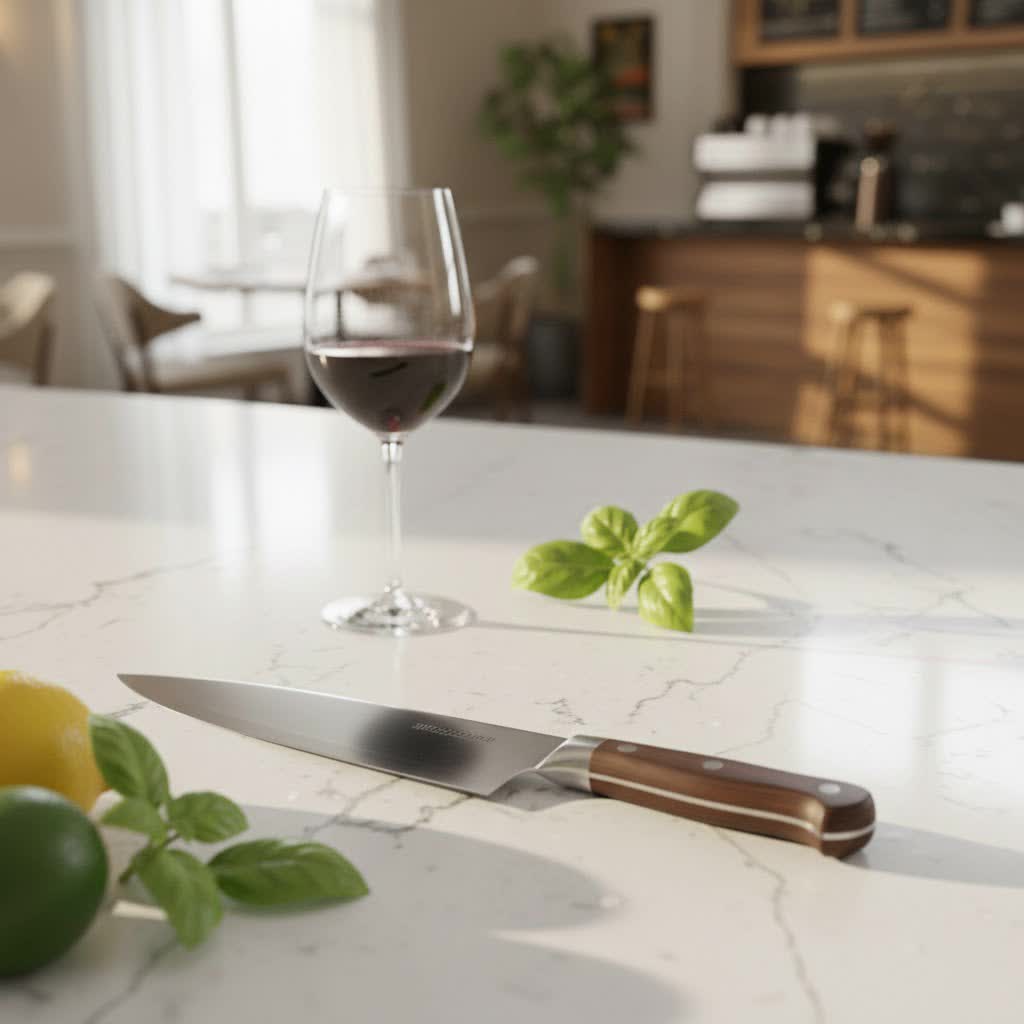
This isn’t just about adding a name; it’s about crafting an identity in steel. An engraved chef knife offers a unique blend of practicality and profound personal significance, making every slice and dice a more meaningful experience. Whether you’re a seasoned professional, an enthusiastic home cook, or searching for the ultimate gift, a personalized blade speaks volumes.
Beyond the Blade: Defining Personalization
An engraved chef knife is any high-quality kitchen knife that has been customized with a permanent design, text, or image on its blade or handle. This personalization can range from subtle initials to intricate designs, each adding a layer of uniqueness to an already indispensable tool.
Types of Engraving: Crafting Your Legacy in Steel
When it comes to personalizing your chef knife, several methods can bring your vision to life, each with its distinct characteristics and aesthetic appeal:
- Laser Engraving: This is the most common and versatile method today. High-precision lasers vaporize or melt the material, creating crisp, permanent designs on both metal blades and wooden or composite handles. Fiber lasers are typically used for metal, while CO2 lasers excel with organic materials like wood. Laser engraving is prized for its detail and durability, producing marks that are resistant to wear, heat, moisture, and corrosion.
- Hand Engraving: A traditional art form, hand engraving involves skilled artisans using specialized tools called burins or gravers to physically cut a design into the knife’s surface. This method offers unparalleled artistic freedom and a unique, artisanal touch that machine engraving often can’t replicate, especially on curved surfaces.
- Etching: While often used interchangeably with laser engraving, traditional etching involves using acid to corrode a design into the metal surface after a protective resist has been applied. Modern laser etching, a subset of laser engraving, removes a thin top layer of material rather than cutting deeply. It produces a shallower mark, but still offers excellent detail.
- Pantographing: This refers to a machine-based engraving process where a stylus traces a larger template, and a cutting tool reproduces the design at a reduced size onto the knife.
|
Our Picks for the Best Knife Set in 2026
As an Amazon Associate I earn from qualifying purchases.
|
||
| Num | Product | Action |
|---|---|---|
| 1 | Amazon Basics 14-Piece High Carbon Stainless Steel Kitchen Knife Set with Full Tang Construction, Ergonomic Handles, Sharpener and Pinewood Block, Black |

|
| 2 | Knife Sets for Kitchen with Block imarku G14 Japanese Knife Set Stainless Steel Kitchen 14pcs, Built-in Sharpener, Sharp Knives with Non-slip Ergonomic Handle - Dishwasher Safe, Home Essential Gifts |
|
| 3 | Knife Set, Brewin Kitchen Knife Set, Knives Set for Kitchen, Universal Knife Block, Utility Knife Block Set, New Home Essentials, Apartment Essentials, Dishwasher Safe |
|
| 4 | HOSHANHO 16-Piece Knife Set, Japanese High Carbon Stainless Steel Kitchen Knife Set, Ultra Sharp Chef Knife Block Set with Sharpener |
|
| 5 | Laguiole Steak Knives Set of 6 - Premium Food-Grade Stainless Steel Micro-Tooth Serrated Knives for Precision Cutting - Dishwasher Safe Kitchen Utensils Set for Dinner or Gifting by Classic Cuisine |
|
| 6 | CAROTE 14 Pieces Knife Set with Block, Forged, High Carbon Stainless Steel Sharp Blade Block Knife Set, Dishwasher Safe Cutlery, Cream |
|
| 7 | Astercook Knife Set, 13 Pieces Kitchen Knives Set with Healthy Anti-Rust Coating, Dishwasher Safe, Stainless Steel Chef Knife Sets with 6 Blade Guards, Perfect Holiday Gifts for Kitchen |
|
| 8 | WXCOO Hand Forged 3-Piece Knife Set High Carbon SteelKitchen Knives Meat Boning Cleaver Cheese Knife Professional Butcher Hunting Fish Fruit Viking Knife with Sheath for Hiking, Camping, Fishing, BBQ |
|
| 9 | HENCKELS Statement Premium Quality 15-Piece Set with Block, Natural, Razor-Sharp, German Engineered Informed by 100+ Years of Mastery, Lightweight and Strong, Dishwasher Safe |
|
| 10 | Astercook 15 Piece Knife Set with Sharpener Block - German Stainless Steel, Dishwasher Safe Kitchen Knives with Built-In Sharpener, Black |
|
Each method offers a path to personalization, but laser engraving stands out for its balance of precision, speed, and durability, making it a popular choice for many custom chef knife providers.
Why Choose an Engraved Chef Knife?
The appeal of an engraved chef knife extends far beyond its functional purpose. It’s about forging a deeper connection with your most essential kitchen tool.
A Personal Touch for Every Chef
For professional chefs working in bustling kitchens or culinary students learning their craft, an engraved knife serves as a clear mark of ownership, preventing mix-ups and instilling a sense of pride. It transforms a standard piece of equipment into a signature tool, reflecting the individual’s journey and commitment to their art. As Chef Isabella Rossi, a renowned culinary instructor, often advises her students, “An engraved knife isn’t just a tool; it’s an extension of your culinary soul, a constant reminder of your passion and dedication.”
The Perfect Gift for Culinary Enthusiasts
Looking for a truly memorable gift for a food lover, a budding chef, or a seasoned home cook? An engraved chef knife is an unparalleled choice. It’s a thoughtful present for birthdays, anniversaries, graduations, or holidays, showing a level of consideration that a generic gift simply cannot match. It’s both practical and deeply personal, sure to be treasured for years.
Celebrating Milestones and Achievements
Commemorate life’s significant moments with an enduring symbol. An engraved blade can mark a promotion to executive chef, the opening of a new restaurant, the completion of a prestigious culinary program, or even a wedding date. Such an inscription serves as a lasting reminder of hard-earned accomplishments and cherished memories, turning the knife into a true conversation starter.
Building a Legacy: Heirloom Potential
A beautifully crafted and engraved chef knife has the potential to become a family heirloom. Imagine passing down a high-quality blade etched with the family name or a beloved recipe. It becomes a piece of history, carrying stories and traditions through generations, enriching the culinary heritage of your family.
Choosing the Right Chef Knife for Engraving
The quality of the knife itself is paramount, even more so when you intend to personalize it. A premium base ensures that your chosen engraving lasts as long as the blade’s exceptional performance.
Blade Material Matters: The Foundation of Quality
The material of your chef knife’s blade significantly impacts its performance, durability, and how well it accepts engraving:
- Stainless Steel: The most common choice, offering excellent corrosion resistance and ease of maintenance. High carbon stainless steel combines the best of both worlds – the rust resistance of stainless steel with the superior edge retention and sharpness of carbon steel. This material engraves beautifully with laser techniques.
- High Carbon Steel: Prized by many professional chefs for its exceptional sharpness, edge retention, and ease of resharpening. It does, however, require more diligent care to prevent rust and discoloration. Engravings on carbon steel can develop a unique patina over time.
- Damascus Steel: Known for its stunning, wavy patterns created by layering different types of steel. Damascus blades are often both beautiful and highly functional. Laser engraving on Damascus steel requires precise settings to ensure the engraving stands out against the intricate patterns.
Handle Comfort and Durability
While the blade is where much of the engraving magic happens, don’t overlook the handle. Some artisans offer handle engraving, especially on materials that lend themselves well to it.
- Wood: Classic and aesthetically pleasing, wood handles can be engraved with beautiful detail, though they require careful maintenance to prevent drying or cracking.
- Synthetic Materials (e.g., G10, Micarta): These composite materials are highly durable, moisture-resistant, and can also be laser-engraved for a subtle, long-lasting mark.
- Metal (e.g., Stainless Steel Bolsters): Some knives feature stainless steel bolsters or full metal handles that can also be engraved, offering another surface for personalization.
German vs. Japanese Blades: Understanding the Styles
The world of chef knives is broadly categorized into two major traditions, German and Japanese, each offering distinct characteristics:
- German-Style Chef Knives: Characterized by their heavier, more robust blades with a pronounced curve (belly). This design is ideal for a “rocking” motion, making them excellent for chopping and dicing. Brands like Wüsthof and Zwilling J.A. Henckels are renowned for their German craftsmanship.
- Japanese-Style Chef Knives: Often feature thinner, lighter blades with a straighter edge, designed for precise slicing and push cuts. They typically have a harder steel, allowing for a sharper, more delicate edge. Shun, Global, and MAC are celebrated Japanese brands.
Both styles can be excellent candidates for engraving, but consider the intended use and personal preference of the chef when making your choice.
Top Brands to Consider for Engraving
Many reputable knife manufacturers produce blades of exceptional quality that are perfect for personalization. While some offer in-house engraving services, others can be purchased and taken to a professional engraver. Brands like Wüsthof, Shun, MAC, Global, Messermeister, and Steelport are frequently lauded for their craftsmanship and durable materials, providing a superb canvas for your custom chef knife.
What Can You Engrave? Ideas to Spark Your Creativity
The beauty of an engraved chef knife lies in its limitless possibilities for personalization. Here are some popular ideas to inspire your unique design:
- Names, Initials, and Titles: The simplest yet most impactful. Engrave a full name, initials, or a professional title like “Executive Chef [Name]” or “Sous Chef [Name].” This instantly makes the knife distinctly theirs.
- Special Dates and Milestones: Commemorate significant life events such as graduations, wedding anniversaries, or the opening date of a restaurant. Dates serve as powerful reminders of important journeys.
- Inspirational Quotes and Sayings: A short, meaningful quote can serve as a daily dose of motivation. Phrases like “Cook with Passion,” “Master the Craft,” or “Taste the Journey” can be constant sources of inspiration.
- Signature Dishes, Logos, and Artistic Designs: For a truly unique touch, consider engraving the name or a subtle illustration of a chef’s signature dish, a restaurant logo, or a personal symbol that holds special meaning. This artistic approach makes the knife a true statement piece.
“The art of engraving transforms a functional blade into a timeless heirloom,” observes Elara Vance, a master artisan from Heritage Bladesmiths. “Precision in the craft ensures that your story endures on steel.”
Caring for Your Engraved Chef Knife: Preserve Its Beauty and Edge
An engraved chef knife is an investment in both utility and sentiment. Proper care is crucial to maintain its sharpness, prevent corrosion, and ensure the longevity of the intricate engraving.
Immediate Cleaning: Hand Wash Only
The golden rule for any high-quality knife, especially an engraved one, is to never put it in the dishwasher. The harsh detergents, high heat, and jostling can dull the blade, damage the handle, and erode your precious engraving. Instead, hand wash your knife immediately after each use with warm water and a mild dish soap.
Drying and Storage: The Right Way
After washing, thoroughly dry your knife with a soft cloth. A chamois or microfiber towel works wonders, preventing water spots and protecting the blade finish. Always store your knife in a way that prevents it from bumping against other utensils. A magnetic knife strip, a knife block, or a blade guard are excellent choices. If you have a carbon steel knife, a light coating of food-grade mineral oil after drying will help prevent rust.
Protecting the Blade and Engraving
For engraved blades, a gentle polish can help maintain the contrast of the inscription. Some experts recommend applying a very light protective coating, such as food-grade mineral oil or even a specialized knife wax, over the engraved area to further guard against oxidation and wear. For wooden handles, an occasional application of Renaissance Wax or lemon oil will keep the material nourished and prevent cracking.
What to Avoid: Dishwashers, Abrasives, Improper Storage
Beyond the dishwasher, be mindful of abrasive sponges or scouring pads, as these can leave micro-scratches on the blade and dull the engraving. Avoid storing knives in leather or Kydex sheaths for prolonged periods, as chemicals in the tanning process or moisture trapped within can accelerate corrosion, even on stainless steel. Similarly, household lubricants like WD-40 should generally be avoided for internal knife mechanisms, as they can attract dust and migrate.
Expert Insights on Engraved Knives
Maintaining the integrity of an engraved chef knife requires respect for both its craftsmanship and its personal value. “The subtle details of an engraving, particularly delicate ones, can be easily compromised by improper cleaning techniques,” notes Chef Maxwell Sterling, a culinary historian and knife collector. “Always use the softest touch and appropriate cleaning agents to ensure your personalized blade remains a source of pride for decades.”
Frequently Asked Questions (FAQ)
How long does engraving last on a chef knife?
With proper care and maintenance, laser engravings on chef knives are permanent and can last for the lifetime of the knife itself. Hand engravings are also extremely durable. The key is to avoid abrasive cleaning methods that could gradually wear down the inscription.
Can any chef knife be engraved?
Most metal blades and many types of knife handles (wood, composite) can be engraved. However, the quality of the engraving often depends on the skill of the engraver and the specific material. High-quality stainless steel or Damascus steel blades with flat surfaces are generally ideal canvases for detailed engravings.
Does engraving weaken the knife?
When done by a professional using appropriate techniques like laser engraving, the process is non-contact and typically very shallow, affecting only the surface of the blade or handle. It does not compromise the structural integrity or performance of a well-made chef knife.
Is laser engraving safe for food contact?
Yes, laser engraving, particularly on the non-cutting surface of the blade, is safe for food contact. The process simply alters the surface of the metal or material, creating a permanent mark without adding any foreign substances that could contaminate food.
What’s the difference between engraving and etching?
Historically, engraving involves physically cutting into a surface, while etching uses a chemical process (like acid) to create a design. In modern terms, especially with lasers, “laser engraving” typically refers to a deeper cut, while “laser etching” is a shallower mark that removes a top layer. Both create permanent designs.
Your Culinary Story, Etched in Steel
An engraved chef knife is far more than just a kitchen implement; it’s a profound statement, a personal legacy, and a tangible connection to the passion that drives you in the kitchen. It’s a celebration of skill, a tribute to milestones, and a gift of enduring thoughtfulness. By choosing a quality knife and personalizing it with care, you’re not just buying a tool – you’re investing in a story, etched permanently in steel, ready to accompany you through every culinary triumph. Make your mark, literally, and let your chef knife tell your unique culinary tale.
