Every home chef dreams of effortless meal prep, and at the heart of that dream lies a truly indispensable tool: the large cooking knife. Often referred to as a chef’s knife, this workhorse is designed to handle the vast majority of your kitchen tasks with ease and precision. From expertly dicing an onion to tackling a hefty winter squash, the right large cooking knife can transform your culinary experience, making cooking more enjoyable and efficient. If you’ve ever felt limited by smaller blades or struggled with tough ingredients, it’s time to discover the power and versatility of a quality large cooking knife.
What Exactly is a Large Cooking Knife?
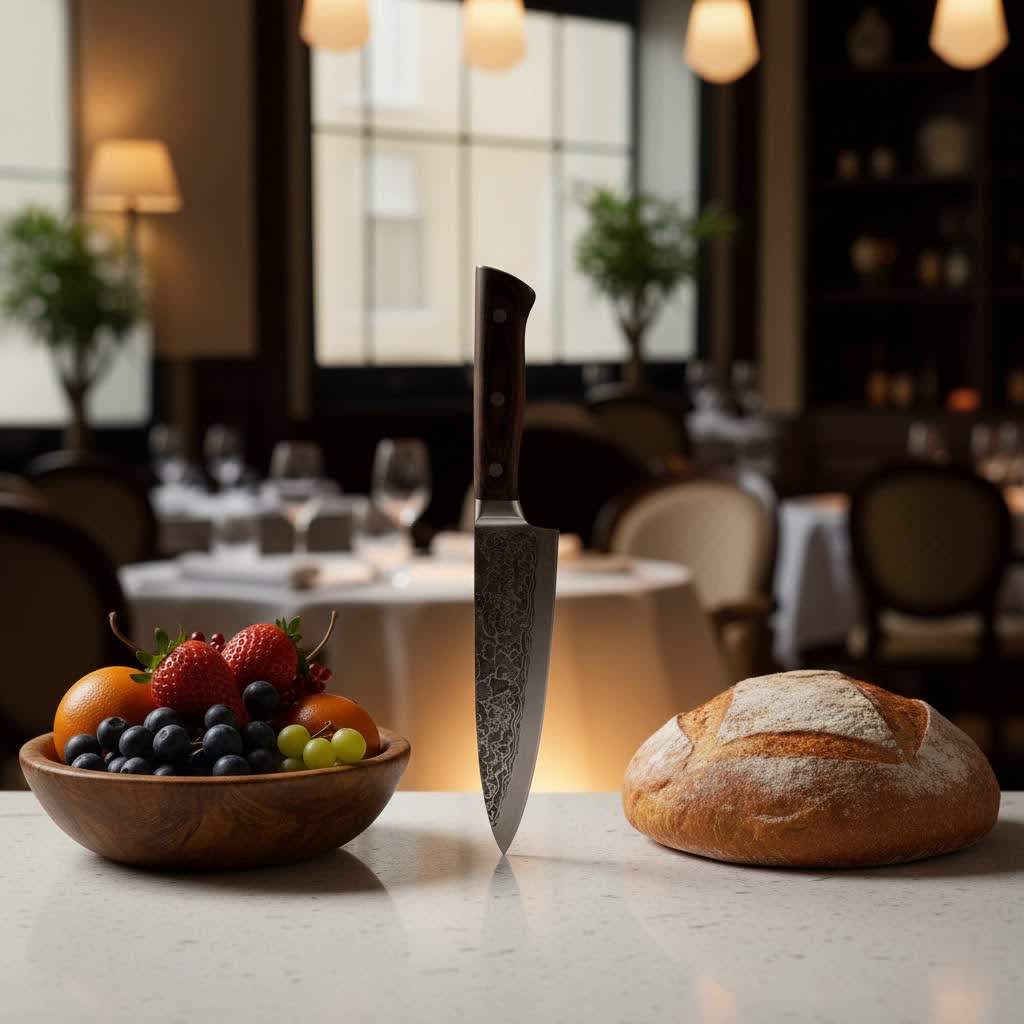
When we talk about a “large cooking knife,” we’re primarily referring to the chef’s knife. This iconic piece of cutlery is recognized by its broad, tapering blade, typically ranging from 8 to 12 inches in length. While 8 inches is considered the standard and most versatile size for home cooks, larger options offer extended reach for bigger cuts or professional use.
Beyond the classic chef’s knife, other specialized large knives exist, though they serve more specific, heavy-duty purposes. Cleavers, for example, are characterized by their rectangular, thick blades, ideal for chopping through bones or tough root vegetables. Butcher knives are designed for breaking down large cuts of meat, often featuring a curved blade for efficient slicing. While these specialized tools have their place, the chef’s knife remains the ultimate all-rounder, performing about 90% of your daily kitchen tasks.
Why You Need a Large Cooking Knife in Your Kitchen
A large cooking knife isn’t just about size; it’s about unparalleled versatility and efficiency. Imagine effortlessly slicing through a large watermelon, finely mincing a pile of garlic, or precisely dicing a bell pepper – all with one tool. The length and robust design of a good chef’s knife provide the leverage and control needed for these diverse tasks, making your prep work faster and more precise.
Grace Kelly, a Senior Editor at Serious Eats and a seasoned knife tester, emphasizes the transformative power of a chef’s knife, noting that it’s “big and hefty enough to tackle large projects, like boning a pork shoulder or cracking into a winter squash, and they also have the precision to tackle teensy tasks like mincing garlic or slicing shallots.” This versatility not only saves you time but also enhances safety. Using the correct, appropriately sized knife for a task reduces the risk of slips and accidents that can occur when struggling with an undersized or unsuitable blade. It’s truly the cornerstone of an efficient and safe kitchen.
Key Factors to Consider When Choosing Your Large Cooking Knife
Selecting the perfect large cooking knife is a personal journey, influenced by your cooking style, comfort, and the tasks you typically perform. Here’s what to look for:
Blade Material: The Heart of the Knife
The material of your knife’s blade dictates its sharpness, durability, and maintenance needs.
- High Carbon Stainless Steel: This is the most common and recommended material for chef’s knives, offering an excellent balance of sharpness, edge retention, and corrosion resistance. It’s tough enough for daily use and relatively easy to sharpen.
- Damascus Steel: Known for its distinctive wavy patterns, Damascus steel combines multiple layers of steel, often for aesthetic appeal and sometimes for enhanced performance through a harder core steel.
- Ceramic: While incredibly sharp and rust-proof, ceramic blades are very brittle and prone to chipping, making them less ideal for the heavy-duty tasks a large cooking knife often encounters.
|
Our Picks for the Best Knife Set in 2026
As an Amazon Associate I earn from qualifying purchases.
|
||
| Num | Product | Action |
|---|---|---|
| 1 | Astercook Knife Set, 13 Pieces Kitchen Knives Set with Healthy Anti-Rust Coating, Dishwasher Safe, Stainless Steel Chef Knife Sets with 6 Blade Guards, Perfect Holiday Gifts for Kitchen |

|
| 2 | Laguiole Steak Knives Set of 6 - Premium Food-Grade Stainless Steel Micro-Tooth Serrated Knives for Precision Cutting - Dishwasher Safe Kitchen Utensils Set for Dinner or Gifting by Classic Cuisine |
|
| 3 | HENCKELS Statement Premium Quality 15-Piece Set with Block, Natural, Razor-Sharp, German Engineered Informed by 100+ Years of Mastery, Lightweight and Strong, Dishwasher Safe |
|
| 4 | Amazon Basics 14-Piece High Carbon Stainless Steel Kitchen Knife Set with Full Tang Construction, Ergonomic Handles, Sharpener and Pinewood Block, Black |
|
| 5 | Knife Sets for Kitchen with Block imarku G14 Japanese Knife Set Stainless Steel Kitchen 14pcs, Built-in Sharpener, Sharp Knives with Non-slip Ergonomic Handle - Dishwasher Safe, Home Essential Gifts |
|
| 6 | Astercook 15 Piece Knife Set with Sharpener Block - German Stainless Steel, Dishwasher Safe Kitchen Knives with Built-In Sharpener, Black |
|
| 7 | Knife Set, Brewin Kitchen Knife Set, Knives Set for Kitchen, Universal Knife Block, Utility Knife Block Set, New Home Essentials, Apartment Essentials, Dishwasher Safe |
|
| 8 | HOSHANHO 16-Piece Knife Set, Japanese High Carbon Stainless Steel Kitchen Knife Set, Ultra Sharp Chef Knife Block Set with Sharpener |
|
| 9 | WXCOO Hand Forged 3-Piece Knife Set High Carbon SteelKitchen Knives Meat Boning Cleaver Cheese Knife Professional Butcher Hunting Fish Fruit Viking Knife with Sheath for Hiking, Camping, Fishing, BBQ |
|
| 10 | CAROTE 14 Pieces Knife Set with Block, Forged, High Carbon Stainless Steel Sharp Blade Block Knife Set, Dishwasher Safe Cutlery, Cream |
|
Expert Insight: “Western blades are often made of stainless steel, which is soft and forgiving. The blade edge rolls faster than a harder knife, but it can be honed back into shape with a few swipes on a rod. Japanese knives often have high levels of carbon. This makes them easy to sharpen into a finely honed blade, but it also increases the risk of chipping, since high-carbon steel is brittle.”
Blade Length and Shape: Finding Your Sweet Spot
The “sweet spot” for many home cooks is an 8-inch blade, offering enough length for large produce while remaining controllable for detailed work. Longer blades (10-12 inches) are excellent for tackling very large items or for those with bigger hands, but can feel unwieldy to some.
Blade shape is another crucial distinction:
- Western-Style: These knives typically have a more curved belly, ideal for a “rocking chop” motion, where the tip remains on the board while the blade rocks through the food.
- Japanese-Style (Gyuto): Often featuring a straighter edge and a thinner profile, Japanese chef’s knives (known as Gyutos) are better suited for a “push cut” or slicing motion. They tend to be lighter and offer exceptional precision.
Handle Design and Comfort: A Firm Grip is Key
A comfortable and secure handle is paramount for control and safety.
- Material: Handles come in various materials, including wood (classic, beautiful, but requires more care), synthetic polymers (durable, grippy, easy to clean), and composite materials (offering a blend of aesthetics and practicality).
- Ergonomics and Balance: The handle should fit comfortably in your hand, providing a secure grip without causing fatigue. Test how the knife feels; a well-balanced knife will feel like an extension of your arm. As Chef Julian Thorne, a culinary instructor, often advises, “A knife that feels unbalanced, no matter how sharp, will always fight against you.”
Weight and Balance: A Personal Preference
Some cooks prefer a heavier blade, believing its heft helps it glide through food naturally. Others, like Serious Eats’ knife tester, prefer lighter blades for increased precision and control. A knife that’s too heavy can feel clunky, while one that’s too light might lack the “oomph” to cut through dense ingredients like butternut squash effectively. The sweet spot often lies between 7 and 8 ounces for an 8-inch chef’s knife.
Tang: The Backbone of the Blade
The “tang” refers to the part of the blade that extends into the handle.
- Full Tang: The metal of the blade extends the full length of the handle, offering superior strength, balance, and durability. This is generally preferred for a large cooking knife.
- Partial Tang: The tang extends only partway into the handle, which can make the knife feel less balanced and potentially less durable over time.
Cost: An Investment in Your Kitchen
While high-quality large cooking knives can be an investment, there are excellent options available across various price points. Budget-friendly knives like the Mercer Culinary 8-Inch Millennia Chef’s Knife have proven to be reliable and effective, performing surprisingly well for their modest cost. Consider it an investment in your culinary journey and your kitchen’s efficiency.
Caring for Your Large Cooking Knife: Sharpening, Cleaning, and Storage
A high-quality large cooking knife can last a lifetime with proper care.
Sharpening Techniques: Keeping the Edge Keen
Regular sharpening is essential for maintaining your knife’s performance and safety.
- Honing vs. Sharpening: A honing steel realigns a slightly dulled edge, while sharpening removes a small amount of metal to create a new, sharper edge. Honing should be done frequently (before or after each use), while sharpening is needed less often, perhaps every few months, depending on usage.
- Types of Sharpeners: Whetstones are considered the best method for sharpening chef’s knives, offering precise control over the blade angle. While pull-through sharpeners are convenient, they can remove too much metal and aren’t recommended by experts for long-term blade health.
Cleaning: Hand Wash Only!
Always hand wash your large cooking knife immediately after use with warm, soapy water and dry it thoroughly. Dishwashers are too harsh; the high heat and strong detergents can damage the blade material, dull the edge, and degrade the handle over time. Drying immediately prevents water spots and rust, especially on high-carbon blades.
Storage: Protecting Your Investment
Proper storage protects both your knife and your hands.
- Knife Block: A classic and safe option, keeping blades protected.
- Magnetic Strip: A popular choice for displaying knives and easy access, but ensure they are placed carefully.
- Blade Sheaths/Guards: Ideal for individual knives, especially if stored in a drawer to prevent dulling and damage from other utensils.
Top Brands and Styles to Explore
The world of large cooking knives is rich with heritage and innovation, primarily divided into Western (often German or French) and Japanese styles.
- German-Style Knives (e.g., Wüsthof, Messermeister): Known for their robust construction, comfortable weight, and curved blades, these knives excel at the rocking chop motion. They are typically made from durable stainless steel and are favored for their all-around reliability and heft. The Wüsthof Classic 8-Inch Chef’s Knife is a prime example, lauded for its power and refined sharpness.
- Japanese-Style Knives (e.g., Tojiro, Misono, Mac): These knives often feature thinner, harder blades with a straighter edge, making them incredibly sharp and precise for slicing and push cuts. While often lighter, some Japanese knives like the Tojiro DP Damascus offer a Western-like heft with a sleek Japanese profile. Misono’s Gyuto knives are celebrated for their nimbleness and precision.
- American Brands (e.g., Mercer Culinary, Cutco, Benchmade): Brands like Mercer Culinary offer excellent value, providing durable and sharp knives at accessible price points, making them great entry-level or budget-friendly options.
Expert Tips for Safe and Effective Use
Even the best large cooking knife needs to be used correctly to maximize its potential and ensure safety.
- The Proper Grip: Hold the knife with a “pinch grip”—thumb and index finger pinching the heel of the blade, with the remaining fingers wrapped around the handle. This provides the best control.
- Cutting Techniques:
- Rocking Chop: For dicing and mincing, typically with Western-style knives. The tip stays on the board, and the blade rocks up and down.
- Push Cut/Slicing: For precise cuts and delicate ingredients, often with Japanese-style knives. The blade moves forward and down in a smooth motion.
- Finger Protection: Always curl your guiding fingers (the hand holding the food) inward, creating a “claw” shape. Let the flat side of the blade rest against your knuckles as you cut, protecting your fingertips.
Chef Hiroshi Tanaka, a renowned Japanese culinary master, emphasizes, “A sharp knife is a safe knife. You exert less force, giving you more control.” This wisdom holds true for any large cooking knife, regardless of its origin.
Frequently Asked Questions about Large Cooking Knives
What’s the ideal length for a chef’s knife for a home cook?
For most home cooks, an 8-inch chef’s knife is considered the ideal length. It offers a balance of versatility for various tasks and control for precision work. However, individuals with larger hands or those frequently preparing large quantities of food might prefer a 10-inch blade.
Can I put my large cooking knife in the dishwasher?
No, it is strongly recommended to hand wash all your knives. The high heat, harsh detergents, and jostling in a dishwasher can prematurely dull the blade, damage the handle, and even cause corrosion or pitting on the steel. Always hand wash and dry immediately.
How often should I sharpen my knife?
Honing (realigning the blade’s edge with a honing steel) should be done frequently, perhaps before or after each use. True sharpening (removing metal to create a new edge, often with a whetstone) is needed less often, typically every few months, depending on how frequently you use the knife and how well you maintain it with honing.
What’s the difference between a chef’s knife and a cleaver?
A chef’s knife is a multi-purpose knife with a curved blade, designed for slicing, dicing, mincing, and chopping. A cleaver has a large, rectangular, and much thicker blade, specifically designed for heavy-duty tasks like chopping through bones or very dense vegetables.
Are expensive large cooking knives worth it?
The value of an expensive large cooking knife depends on your needs and budget. While premium knives offer superior materials, craftsmanship, and edge retention, there are many excellent, affordable options that perform exceptionally well. Investing in a mid-range to high-end knife can be worthwhile for serious home cooks who prioritize performance, durability, and comfort.
Conclusion
The large cooking knife, primarily the chef’s knife, is undeniably the most crucial tool in any kitchen. It’s a testament to the fact that with the right implement, even the most daunting culinary tasks become a joy. By understanding the nuances of blade material, shape, handle comfort, and proper care, you can select a large cooking knife that not only meets your needs but truly elevates your cooking experience. Invest wisely, care for it diligently, and let your large cooking knife become the trusted companion that brings efficiency, precision, and pleasure back to your kitchen.
